
- LOGIN
- MemberShip
- 2026-04-29 14:24:05
- Policy
- Price of Pristiq original and IMDs cut with generic release
- by Lee, Tak-Sun Sep 11, 2024 05:54am
- PfizerThe release of generic versions of Pfizer's antidepressant ‘Pristiq ER Tab,’ has hit not only the sales of the original drug but also the salt-modified version. Korea Pharma launched the first generic version of Pristiq in Korea last month, and the release has also affected the salt-modified drug that was released 4 years ago. According to industry sources on the 9th, the upper insurance price limit of the original Pristiq ER Tab and the salt-modified drug received ex officio adjustments upon the entry of the generic version. The insurance price of the items will remain at 70% of the maximum price for 1 year but then be reduced to 53.55% like the generic’s price. Desvenlafaxine is a serotonin-norepinephrine reuptake inhibitor (SNRI), which is characterized by its low risk of drug interactions and a low risk of side effects such as hypertension and sexual dysfunction. Due to such advantages, the drug has become a popular choice in the antidepressant market. According to IQVIA sales, the original Pristiq generated sales of KRW 7.2 billion last year. With the listing of the generic drug, its upper insurance price limit will be reduced to 70% from September. As a result, the price of Pristiq 50mg ER Tab will be reduced from KRW 1,002 to KRW 702, and Pristiq 100mg ER Tab will be adjusted to KRW 873. This was an ex officio adjustment of the upper limit upon the reimbursement listing of Korea Pharma’s generic drug. The upper limit of the original drug is adjusted to 53.55% of the initial price when a product with the same route of administration, ingredients, and dosage form is introduced for the first time, but then is set at 70% of the original price for one year. In addition to the ‘Pharma Desvenlafaxine ER Tab 100mg’ that Korea Pharma received reimbursement listing last month, the company has listed ‘Pharma Desvenlafaxine ER Tab 50mg’ with reimbursement this month. Both are generic drugs that contain the same active ingredient (desvenlafaxine succinate monohydrate) as Pristiq. The generic listing also affected the price of salt-modified versions of the drug that were released 4 years ago. The price of Whan In Pharm (desvenlafaxine), Myeongin Pharm, Hallim Pharmaceutical, and Nexpharm Korea (desvenlafaxine benzoate) was also reduced to 70% of the initial price. This is because when the price of the development target product (original Pristiq ER Tab) is adjusted, the price of the salt-modified drugs is also reduced together. No price adjustments had been made until now as only salt-modified versions with different ingredient names were listed, with no generic versions. The price of the salt-modified versions was set at 90% of the target product's price upon initial listing. However, generic products were introduced 4 years after the launch of the salt-modified drugs, rendering price adjustments of all the previously introduced drugs inevitable. The salt-modified drugs were developed to avoid patent infringement and introduced to the market in 2020. The patent for the original Pristiq ER Tab expired in October 2022. The price of the original and the salt-modified versions will be reduced to 53.55% after 1 year. An industry official said, “With the launch of the generic, the 4-year coexistence between the original and the salt-modified drug has come to an end. Due to the price cut, sales of the existing drugs will inevitably decline.”
- Policy
- MFDS announces EUA application of new COVID-19 vaccine
- by Lee, Hye-Kyung Sep 09, 2024 05:49am
- An emergency use authorization process is in progress for new COVID-19 vaccines so that the disease control authorities can inoculate using the vaccines in October. On the 6th, the Ministry of Food and Drug Safety announced an application for emergency use approval of the ‘JN.1 variant-response recombinant protein vaccine for the prevention of COVID-19 caused by SARS-CoV-2 virus’. The EUA system allows vaccines requested by the Commissioner of the Korea Disease Control and Prevention Agency to be manufactured and sold for a limited time if there is no approved product in Korea. With the frequent reemergence of infectious diseases that threaten mankind, such as the swine flu and COVID-19, the U.S. Food and Drug Administration (FDA) established the Emergency Use Authorization (EUA) system to exempt the authorization process of medical devices that are in urgent need due to infectious disease pandemics. In Korea, the EUA was first introduced in 2016 for MERS, and during the COVID-19 outbreak, many vaccines and treatments were actively approved using the EUA system. The EUA application notification this time is for 320,000 doses of a new COVID-19 vaccine, which is believed to be Novavax's JN.1 COVID-19 vaccine, which the KDCA signed an agreement for in July. The KCDA said it has secured 5.23 million doses of Pfizer’s vaccine, 2 million doses of Moderna, and 320,000 doses of Novavax’s vaccine, as new COVID-19 vaccines to be used in the 2024-2025 season starting in October. Two of the vaccines that the KDCA procured the most – Pfizer's Comirnaty JN.1 COVID-19 Inj (bretovameran) (Sars-coronavirus-2 mRNA vaccine) and Comirnaty JN.1 Inj (single-dose vial) - have already been granted marketing authorization in Korea. Pfizer had first applied for marketing authorization of ‘Comirnaty Bivalent Inj,’ which is used for the existing pandemic variant, to expedite the approval of the new vaccine, by leaving a GMP review history in place. To receive formal approval for their COVID-19 vaccines, the companies need to submit data on non-clinical trials, clinical trials, quality and risk management plans, and manufacturing and quality control for marketing authorization and review. On the other hand, for EUA, the following requirements need to be satisfied: ▲ the applicant needs to be a drug manufacturer or importer; ▲ demonstrate that the drug is effective against the JN.1 variant of COVID-19 caused by the SARS-CoV2 virus; ▲ demonstrate that the safety and quality of the drug is ensured; ▲ and, in the case of imported products, the products need to have received measures equivalent to approval in a foreign country that conducts drug safety control at a level equal to or higher than that of Korea. During the last COVID-19 outbreak, the EUA system was used to shorten the document preparation period from 30 days to 7 days, the protocol approval and clinical trial period from 90 days to 22 days, and the final review and approval period from 80 days to 30 days.
- Policy
- COVID-19 drug Paxlovid’s price likely to be based on Japan
- by Lee, Tak-Sun Sep 06, 2024 05:48am
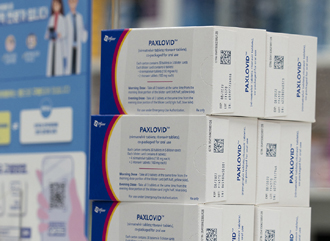
- The insurance ceiling price of Pfizer's COVID-19 drug Paxlovid is likely to be set at around KRW 900,000 in Korea. This is similar to its price in Japan. Japan is said to have the lowest price for Paxlovid among the A8 countries. According to industry sources on the 4th, Paxlovid passed the Drug Reimbursement Evaluation Committee (DREC) on the 29th of last month after undergoing economic evaluation. The drug will be registered for health insurance reimbursement benefits after the company negotiates the drug price with the National Health Insurance Service. The key is its price. DREC reportedly deliberated on a price in the KRW 1 million range and approved the drug’s reimbursement as adequate. However, the NHIS is expected to focus on lowering the price further through negotiations, and the final price is likely to be around KRW 900,000. In Japan, which has the lowest price among the A8 countries, 1 set (5-day supply) of Paxlovid is reportedly priced at JPY 99,027. At the current exchange rate, that's about KRW 920,000. It is analyzed that the price, which was initially in the KRW 1 million range, has dropped to KRW 920,000 upon Japan’s yen falling. The NHIS is also expected to negotiate Korea’s drug prices based on Japan’s prices. However, timing is of issue. The NHIS only has about 20 days to negotiate to meet the October deadline set by the Ministry of Health and Welfare. Add to that the Chuseok holiday and the NHIS negotiation team will be under much pressure to lower the price and complete the registration process quickly. Currently, the government purchases the drug, and patients pay KRW 50,000 for the drug. If it is listed for reimbursement at KRW 1 million, at the current co-payment rate of 30%, patients will have to pay KRW 300,000. If this happens, the patients’ out-of-pocket expenses will skyrocket, which will cause a public backlash. This is why the government is pushing to lower the co-insurance rate. On the 3rd, the Ministry of Health and Welfare announced a proposed amendment to the Enforcement Decree of the National Health Insurance Act to reduce the co-insurance rate for patients with infectious diseases. Accordingly, the drug pricing negotiations and the adjustment of the co-insurance rate for Paxlovid will be conducted simultaneously this month. This will determine the final price paid by the patients. “Looking back at the past drug pricing negotiations, I think the price of Paxlovid will be adjusted to a level lower than the price accepted by DREC during the HIRA negotiations,” said a pharmaceutical industry insider, “but unlike the government, Pfizer is not in a hurry, so the NHIS will have a lot to worry about.”
- Policy
- ‘Policy support enabled the prompt approval of Envlo’
- by Lee, Hye-Kyung Sep 04, 2024 05:49am
- The backstory of Daewoong Pharmaceutical's Envlo 0.3mg (enavogliflozin), which is a representative success case of the MFDS’s expedited review process, was introduced recently. The government’s policy support for the commercialization of innovative products was what enabled Envlo’s clinical trial to approval in just 5 years. In general, diabetes drugs that require long-term use take an average of 7 years from clinical trials to approval. However, with MFDS support and Daewoong Pharmaceutical's R&D capabilities, Envlo succeeded in shortening this period to 5 years. The MFDS published the 'Successful Medical Product Commercialization Casebook' and revealed not only Envlo, but also cases such as Roche Korea’s Lunsumio Inj (mosunetuzumab) and Recordati Korea's Qarziba Inj 4.5mg/ml (dinutuximab beta). Envlo Tab= Envlo Tab, the first product to be subject to expedited review, received a quality review in advance through a rolling review process prior to its approval. During the approval review process, the company was able to closely communicate with the reviewer about the submitted data through product briefings and supplementary briefings, and the MFDS ordered data preparation guidance and requested supplementary material in real-time. While the average time to the approval of a new drug in Korea is 314 days, Envlo was approved in 243 days, reducing the time required by 71 days. Based on this, Daewoong Pharmaceutical licensed out Envlo’s technology for KRW 108.2 billion to Mexico and Brazil in February last year and for KRW 77.1 billion to Russia/CIS in December of the same year. The company is currently undergoing approval reviews in 12 countries, including Mexico, Saudi Arabia, and the Philippines. The MFDS said, “The rapid approval achieved by the collaboration of public and private sectors is expected to lead to the overall growth of the domestic pharmaceutical industry in the long run. The expedited review of Envlo was an opportunity to experience the MFDS’s determination to support domestically developed new drugs.” “After being designated as the first drug subject to expedited review, we communicated with the reviewers frequently through briefings and technical consultations, which helped clarify the direction of our future preparations,” said Jong-won Choi, Executive Director of the Development Division at Daewoong Pharmaceutical. ”The approval period was shorter than expected by two months with the help of the rolling review system.” Lunsumio Inj= Lunsumio Inj, a first-in-class CD20 and CD3 bispecific antibody treatment was designated as the No.1 GIFT drug, which allowed the review to begin immediately upon the submission of the application. In particular, the fast-track designation and approval process fostered the conditions for faster access for patients, as domestic approval was prepared without any time lag from overseas regulatory review. The number of patients with recurrent/refractory vesicular lymphoma in Korea increased from 885 in 2018 to 1,770 in 2022, and the number of patients is still increasing every year, increasing the disease burden on society. “We were able to communicate with the reivewee frequently and quickly prepare the necessary materials for the review,” the MFDS said, adding that ”we were able to grant marketing authorization faster than the usual drug license review period.” Qarziba Inj=Qarziba, which is a treatment for high-risk and relapsed/refractory neuroblastoma was eligible to GIFT and other support benefits in the approval process as the No.1 ‘approval-evaluation-drug pricing negotiation project.’ The reviewers from the Expedited Review Division communicated frequently with the company representatives and actively delivered their inquiries and comments on the submitted data. In particular, one of the benefits of GIFT is the opportunity to share opinions through supplementary briefings and frequent non-face-to-face consultations, which can be utilized through wired and wireless communication such as phone calls and emails, as well as opportunities such as product briefings and supplementary briefings. In the case of safety and efficacy, criteria, and test methods, the first round of supplementation was already made, and the reviewers provided detailed and professional counseling in the video supplementation session requested by the company.
- Policy
- Alvogen voluntarily recalls Comtan Tab due to impurities
- by Lee, Hye-Kyung Sep 03, 2024 05:53am
- Single-agent entacapones, which are used for Parkinson's syndrome, are being recalled due to the detection of excess impurities. The issue of drug impurities continues to arise after MFDS has added nitrosamine impurity testing as a quality control test item to strengthen the management of nitrosamine impurities. On March 30, MFDS announced the recall of Alvogen Korea's Comtan Tab 200mg (entacapone) due to the detection of excess NDEA in the post-market stability test. In April, following the company's report that N-nitrosodiethylamine (NDEA) impurities were detected in its single agent entacapone, the MFDS began reviewing safety measures, including setting necessary temporary permissible standards based on the submitted test and inspection results. The MFD introduced the Carcinogenic Potency Categorization Approach (CPCA), which predicts carcinogenic potential based on the structure-activity correlation of molecules, to set standards for nitrosamine impurities as introduced by the European EMA and the U.S. FDA, and updated the daily intake allowance for nitrosamine impurities in Korea based on the standard-setting method. However, in the case of medicines with medical necessity or supply interruption (shortage), a temporary distribution allowance is applied for a certain period of time to address the supply and demand situation. The item being recalled this time is Comtan Tab 200mg with the lot number (expiration date) '2169627 (2026-07-30).’ Currently, there are only 2 items licensed in Korea as single-agent entacapone: Comtan Tab 200 mg and Myungin Entacapone Tab 200mg by Myung In Pharmaceutical. Single-agent entacapone is indicated as an adjunct to levodopa-dopa decarboxylase inhibitors in patients with Parkinson's syndrome whose symptoms do not improve with standard levodopa-dopa decarboxylase inhibitors therapy.
- Policy
- Prolia’s drug price cut 30% before the entry of biosimilars
- by Lee, Tak-Sun Sep 03, 2024 05:53am
- Prolia, the No. 1 product in the domestic osteoporosis treatment market, has had its upper insurance price limit adjusted this month through price-volume agreement (PVA) negotiations. The drug underwent 4 PVA negotiations in total, which led to a price drop of nearly 30% from the initial price it received in October 2017 upon reimbursement. According to industry sources on the 2nd, the upper limit for Prolia Prefilled Syringe (denosumab, Amgen Korea) was lowered from KRW 156,100 to KRW 154,700 from the 1st of this month under ‘Type B’ PVA negotiations with the National Health Insurance Service. The rate of reduction this time was -0.9% Type B negotiations are applied when the expected claims amount of a drug that has been previously adjusted through Type A negotiations or has not been adjusted for 4 years since its initial date of listing or price adjustment increased by 60% or more compared to the previous year, or increased by 10% or more but the total amount exceeds KRW 5 billion. This is the 4th time Prolia’s insurance price ceiling has already been adjusted through PVA negotiations. In December 2020, the cap was reduced by 6.5% due to an increase in expected claims amount of over 30%, which qualifies the drug for ‘Type A’ PVA negotiations. In August 2022, the price was reduced by 5.0% under Type A negotiations. And in August 2023, the cap was adjusted by 3.7%, also through Type A negotiations. Prolia’s sales have been on the rise ever since it was applied reimbursement benefit in October 2017. In particular, since April 2019, when reimbursement coverage was expanded to first-line therapies, its sales have grown to exceed KRW 100 billion in annual sales. The synergies of Amgen and Chong Kun Dang’s copromotion have also contributed to the steep rise. According to IQVIA, Prolia posted sales of KRW 47.3 billion in 2019, KRW 75.1 billion in 2020, KRW 92.1 billion in 2021, KRW 115.7 billion in 2022, and then KRW 151.1 billion in 2023. Sales in 2023 increased by 219% compared to 2019. The steep rise in performance has inevitably led the company to receive PVA negotiations 3 years in a row. In May, Prolia received reimbursement extensions in Korea. Prior to the reimbursement extension, patients with a bone mineral density measurement of -2.5 (T-score) or less were eligible for 1 year of benefits, but after the reimbursement extension, patients with a T-score of -2.0 or less and to -.2.5 are eligible for up to 2 years of reimbursement. At the time, Amgen had voluntarily reduced the price ceiling of its drug upon the reimbursement extension. That voluntary reduction likely reduced the reduction rate during this year’s PVA negotiations. Even so, the price is already down -28.3% compared to the price at the time of the October 2017 reimbursement (KRW 215,678). This is a further reduction in price than the 20% ex officio reduction an original drug would receive the first year a biosimilar is listed. Prolia's patent is scheduled to expire next March. Celltrion and other biotechs are preparing to receive approval for its biosimilars. Therefore, the price of Prolia is expected to drop further once a biosimilar enters the market. “Prolia is a biologic drug that targets the RANKL protein, which forms osteoclasts that destroy the bone. Its use in the field will continue to increase in the future due to its high compliance that is provided by its longer dosing interval of every 6 months, and has clinical results that have proven its effect even after 10 years of treatment,” said an industry official.

- Policy
- Rival party heads discuss pending issue in NA
- by Lee, Jeong-Hwan Sep 03, 2024 05:53am
- Dong-hoon Han, Chairman of the People Power Party, and Jae-Myung Lee, Chairman of the Democratic Party of Korea met at the National Assembly on the afternoon of the 1st and reached a consensus on resolving the parliamentary conflicts and medical gap. Han mentioned the need to resolve the public's anxiety over the medical gap, while Lee suggested that the National Assembly seek a solution to the parliamentary conflict. Although healthcare reform was not on the official agenda of the ruling and opposition parties' talks, due to the Corporal Chae’s Special Prosecutor Act, the abolition of the financial investment income tax, and the public KRW 250,000 support law, it was reportedly mentioned by Lee in the closed-door meeting. “I would like to say that healthcare reform is also ultimately for the people,” Han said in his remarks, ”but it is also the task of us politicians to resolve the people's anxiety about the medical gap in the immediate future.” Han had previously proposed to the President's Office to suspend the increase in medical school enrollment for the 2026 academic year as an intervention. However, the President's Office rejected the proposal and confirmed that the healthcare reform implementation plan, including the 2026 medical school enrollment quota, remains unchanged. In his meeting with Lee, Han reaffirmed the need for an alternative solution to the healthcare gap. “As party leader, I will make further efforts to address the concerns and anxieties of the people at this time while maintaining the essence and drive for the healthcare reform,” said Han. In his remarks, Lee also said, “It is unfortunate that the healthcare crisis is not on the official agenda. The medical crisis is linked to people's lives, which is why Mr. Han proposed certain alternatives even at the risk of gathering conflict with the government. It will not disappear just because we cover it with our palms and avoid it.” “I agree with the basic direction of healthcare reform, which is to increase the number of doctors and strengthen essential, public, and local medical care, as Mr. Han said,” said Lee, ”but it is essential to have sufficient dialog and seek compromise among groups with conflicting interests in the policy implementation process.” “If you use force to force people to give in, even if you succeed, the aftermath and damage are too great,” he said. ”If the policy implementation is as harsh, urgent, and excessive as it is now, inevitable side effects would have to appear“ “These side effects have led to a crisis in one of the world's best healthcare systems, and the number of people dying in emergency rooms who shouldn't have is already exceeding last year's total. We look forward to having sufficient dialogue with Mr. Han about this issue. First of all, let's seek a solution for the medical crisis in the National Assembly, the ruling and opposition parties together, through discussions and dialogues to accurately identify the current situation, recognize the problem, and reach a consensus.”

- Policy
- Usage recommendations for 3 JAK inhibitors to be changed
- by Lee, Tak-Sun Sep 03, 2024 05:53am
- After collecting opinions, the MFDS will change the usage·dosages section for PfizerAfter collecting opinions, the MFDS will change the usage·dosages section for Pfizer The Ministry of Food and Drug Safety (MFDS) will implement changes to approval for Janus Kinase (JAK) inhibitors, recommending low dosages when used to treat high-risk patients. This is a follow-up measure to the changes to the efficacy and effectiveness section for high-risk patient treatment in 2022. On August 30th, the MFDS posted on the website that it has started collecting opinions on the revised approval for JAK inhibitors based on reviewing the safety information from the European Medicines Agency (EMA). The posting indicates that the updated guidelines for tofacitinib in ulcerative colitis now include a recommendation against using the 10 mg maintenance dose in patients with major cardiovascular adverse events (MACE) or malignancy risk factors, regardless of the availability of alternative treatments. Baricitinib usage·dosages in the treatment of rheumatoid arthritis, atopic dermatitis, and alopecia areata will include "a recommendation for a daily dose of 2 mg for patients at high risk of venous thromboembolism (VTE), MACE, malignancy, those aged 65 or older, and those with a history of chronic or recurrent infections." Additionally, new guidelines for upadacitinib in treating atopic dermatitis, ulcerative colitis, and Crohn's disease will be updated. A clause such as "A daily dose of 15 mg is advised for patients at high risk of VTE, MACE, and malignancy" will be added. The revisions will be made to 18 products, including the original drugs such as Pfizer's Xeljanz tab, AbbVie's Rinvoq, and Lily's Olumiant. In June 2022, the MFDS added a guideline specifying that high-risk patients aged 65 and older, those with cardiovascular risks, and those at risk of malignancies could use the existing treatments only if they were deemed ineffective. This update was based on safety information from international data. In September 2021, the MFDS issued a safety communication based on international safety information, warning that the three substances, tofacitinib, baricitinib, and upadacitinib, could increase the risk of severe cardiovascular events, including heart attacks. As a follow-up measure, the MFDS is revising the approval requirements. JAK inhibitors are drugs used to treat various autoimmune diseases, including rheumatoid arthritis. It works by inhibiting JAK, a kinase regulating immune responses and inflammation. The JAK inhibitors sales in South Korea are high. Last year's IQVIA data show that Pfizer's Xeljanz tab recorded KRW 12.9 billion, AbbVie's Rinvoq recorded KRW 20.7 billion, and Lily's Olumiant recorded KRW 17.9 billion in sales.
- Policy
- Pfizer's new COVID-19 vaccine wins nod in KOR
- by Lee, Hye-Kyung Sep 02, 2024 05:48am
- Pfizer Korea The new vaccine, JN.1, developed against emerging COVID-19 subvariant, received approval in South Korea. The Ministry of Food and Drug Safety (MFDS) announced on August 30th that it had completed approval just under two and a half months after application was submitted. A designated review team was formed following the plan announced by the Korea Disease Control and Prevention Agency (KDCA) to initiate COVID-19 vaccination. The approved vaccine is Pfizer Korea's 'Comirnaty (bretovameran),' containing an mRNA molecule designed to produce a protein from JN.1 subvariant. Because the SARS-CoV-2 virus mutates over time, vaccines that target subvariants are being developed. The efficacy and effectiveness of Comirnaty are for COVID-19 prevention in people aged 12 and above. A single 0.3 mL dose injection is given in the muscle. People previously vaccinated with COVID-19 can be vaccinated after at least three months. The MFDS stated that it has reviewed the safety, effectiveness, and quality of Comirnaty through a designated review team. After hearing expert opinions, including infectious disease specialists, for a comprehensive review, the final marketing authorization has been granted. The MFDS stated, "The current COVID-19 vaccine approval in South Korea is expected to help reduce the spread of COVID-19 and the progression to severe cases. We will ensure people to get vaccinated safely by thoroughly checking the vaccine quality in the authorization process after approval and strengthening the collection of adverse reaction cases and the management of the safety system." Meanwhile, the KDCA announced on July 4th that as COVID-19 new variant (JN.1) vaccine to be used for '2024-2025 seasonal COVID-19 vaccination' targeting the high-risk group of aged 65 and above, it has secured a total of 7.55 million doses of vaccines (7.23 million doses of mRNA vaccines and 320,000 doses of synthetic antigen vaccine), including 5.23 million doses of Pfizer, 2 million doses of Moderna, and 320,000 doses of Novavax. Among these, Pfizer vaccine has been approved first. The MFDS plans to approve Moderna and Novavax within September.
- Policy
- Nicergoline for dementia listed at 50% of the highest-priced
- by Lee, Tak-Sun Sep 02, 2024 05:48am
- Sermion, the original drug containing the ingredient nicergoline.Before March this year, there were only two products containing the active ingredient nicergoline available. However, the number quickly increased, resulting in nearly a 50% difference between the highest and lowest prices. The prices of the listed products are getting cheaper with a stepwise pricing system applied. This reflects that more products are being listed for reimbursement listing. According to industry sources on September 1st, Korea Pharma's Pharma Nicergoline Tab 30mg was listed for reimbursement with a ceiling price of KRW 221 per tablet. Because there are already over 20 existing drugs in the same class, it was priced at around 85% of the prices of those, which is the lowest price. The price KRW 221 is nearly 50% of the highest price, KRW 424. Just last year, no one predicted that such many products containing nicergoline would be listed for reimbursement. In February, the products containing nicergoline 30mg were the original Il Dong's Sermion Tab 30 mg and Hanmi Pharm's Nicegoline Tab 30mg. After three pharmaceutical companies released their products in March, 20 products became available by March. The products listed since June have applied a stepwise pricing system, and the price is set at 85% of the lower price between the lowest price for the same medicine and the price calculated at 38.69% of the original drug price. Consequently, Hutecs Korea Pharmaceutical's Sarminon Tab 30mg, initially priced at 38.69% of the original price, was calculated at around 85%, now KRW 260 per tablet. Therefore, Pharma Nicergoline Tab 30mg's price was set at KRW 221, 85% of the lowest priced Sarminon Tab 30mg. The ceiling price will become even lower for products that will be listed and priced at 85% of the lowest price. Since 20 products became available in just under three months, latecomer products will, in turn, experience a price burden. Nearly 37 Nicergoline Tab 30mg are listed for reimbursement until now. The number of products containing the active ingredient nicergoline approvals by year (unit:#, source: the Ministry of Food and Drug Safety (MFDS), excluding products set for import or API). The products containing nicergoline is used for the first-line treatment of dementia symptoms, including memory impairment, concentration difficulties, judgment issues, and lack of initiative, related to primary degenerative vascular dementia and complex dementia. Korean pharmaceutical companies have jumped into this market this year because previously listed preventative drugs for dementia have failed to show efficacy and are being withdrawn. First, products containing acetyl-L-carnitine and oxiracetam were removed from the market after clinical trial reassessment failed. Clinical trial reassessment for the active ingredient choline alfoscerate is also underway, but the results are not promising. During the reimbursement reassessment review, it was decided that choline alfoscerate cannot be covered by reimbursement when used for mild cognitive disorder, an earlier stage of dementia. However, pharmaceutical companies have filed a lawsuit to seek nullification of reimbursement reduction for choline alfoscerate and received cancellation of the administration order, thus maintaining the reimbursement criteria. However, after losing the appeal court, pharmaceutical companies will likely face sales reductions. The annual prescription sales of choline alfoscerate amount to KRW 622.6 billion (based on UBIST). The market impact is expected to be substantial when reimbursement coverage for the mild cognitive impairment indication is no longer available because such use amounts to 80% of the sales. In countermeasures, pharmaceutical companies quickly released products containing nicergoline. The first product to be launched in South Korea was in 1978. The safety of the drug has been confirmed since it was launched 46 years ago. However, the National Health Insurance Service (NHIS) may attempt to reassess reimbursements. Even if that is the case, pharmaceutical companies can use products containing nicergoline as quick cards to fill the sales gap for drugs that provide cognitive benefits. An employee of a Korean pharmaceutical company said, "Nicergoline is categorized as an alpha-blocker and is effective in increasing blood flow in the brain and peripheral nervous system through vasodilation,' and added, "Because it is commonly used as a preventative measure for senile dementia or cognitive dementia, it is the most suitable drug to replace cognitive enhancers."
