
- LOGIN
- MemberShip
- 2026-04-27 08:54:44

- Policy
- Trodelvy and new drugs reached an agreement with the NHIS
- by Lee, Tak-Sun May 16, 2025 06:21am
- Product photo of Trodelvy Three new drugs, including the triple-negative breast cancer (TNBC) treatment Trodelvy (sacituzumab govitecan), have completed negotiations with the National Health Insurance Service (NHIS) and are about to be included in the reimbursement list. These drugs passed the Health Insurance Review and Assessment Service (HIRA)'s Drug Reimbursement Evaluation Committee (DREC) in February and were undergoing negotiations with the NHIS. According to industry sources on May 15, the NHIS posted on its website that the companies of the TNBC drug 'Trodelvy,' the pulmonary hypertension drug 'Adempas Tab (riociguat, Bayer Korea),' and the plaque psoriasis drug 'Bimzelx Autoinjector (bimekizumab, UCB Korea)' have agreed on negotiation deals. During the 2nd DREC meeting on February 6, these drugs were acknowledged for their reimbursement appropriateness. The DREC granted reimbursement appropriateness for Trodevly's TNBC indication and Adempas' pulmonary hypertension among its efficacy·effectiveness. The efficacy·effectiveness of Adempas in chronic thromboembolic pulmonary hypertension (CTEPH) was not acknowledged for reimbursement appropriateness. For Bimzelx, the company received a decision that Bimzelx would meet the appropriateness of reimbursement if the company accepted an amount below the standard. After that, UCB accepted the condition and proceeded to negotiations with the NHIS. The company may have undergone negotiations with the NHIS for drug pricing and estimated claim amount, ultimately reaching an agreement. Among these drugs, Trodelvy received a decision of new drug innovativeness. It gained attention for becoming the first case to clear the DREC review, with its price being measured based on their ICER values. The Korea Alliance of Patients Organization (hereafter, Patients Organization) is asking for a quick reimbursement process since Trodelvy is the third-line treatment for adult patients with unresectable locally advanced or metastatic triple-negative breast cancer (mTNBC). The Patients Organization said, "Trodelvy is a high-cost drug, costing approximately KRW 1,500-2,000 per one cycle and some hundreds of millions of KRW yearly." They added, "Patients cannot continue treatment due to high-cost non-reimbursed drug costs and inevitably give up on receiving treatments." As these companies reached drug pricing negotiations with the NHIS, the drugs will be reviewed by the Health Insurance Policy Deliberation Committee. The drugs have higher chances of being included in the reimbursement list next month (June).
- Policy
- CDDC to discuss partial reimb of anticancer drug combos
- by Lee, Tak-Sun May 16, 2025 06:18am
- The Health Insurance Review and Assessment Service announced today (14th) that it held a Cancer Disease Review Committee meeting and discussed the list of drugs eligible for partial reimbursement as anticancer drug combination therapies, as it had recently announced. The reimbursement standard for anticancer drugs will be revised starting next month based on the list made today. The details discussed at the meeting are expected to be disclosed when the reimbursement standard for anticancer drugs is announced. The Health Insurance Review and Assessment Service (President Jung-Gu Kang) announced that it had deliberated on the “Reimbursement Standards for Drugs Used for Cancer Patients” at the 4th Cancer Disease Deliberation Committee meeting in 2025. The details discussed on that day are follow-up measures to the revision of the general principles regarding “the scope and cost burden of drugs prescribed and administered to cancer patients among severely ill patients as drugs determined and announced by the Health Insurance Review and Assessment Service in accordance with Article 5, Paragraph 4 of the Rules on National Health Insurance Medical Care Benefits” among the details on the application criteria and methods for medical care benefits. At the meeting, the committee discussed the list of combination therapies eligible for reimbursement coverage, taking into account the indication and opinions from academic societies, with the aim of reducing confusion in clinical practice and enhancing predictability when applying the detailed guidelines to existing anticancer therapies and combination therapies with other anticancer drugs. The revised list will take effect on June 1. A total of 54 combination therapies were discussed, and 35 will be included in the revised guidelines. Therapies exceeding the approved indication were excluded. This decision was made as a minimum safety measure against the inappropriate use of combination therapies, such as those exceeding approved indications. The authorities explained that in the future, when academic societies submit requests for combination therapies related to this matter, the Cancer Disease Review Committee will review them and update the list of eligible therapies.

- Policy
- Gov't begins patient advocacy service for medical incidents
- by Lee, Jeong-Hwan May 15, 2025 06:24am
- The Korean Ministry of Health and Welfare (MOHW)The Ministry of Health and Welfare (MOHW) will start implementing the 'patient advocacy service,' which provides a legal representative matching service for mediating disputes to strengthen the rights of patients who are victims of medical incidents, effective this month (May). The service supports the conflict between a patient and a medical institute·healthcare provider. The MOHW will initiate the program on the 16th by appointing approximately 50 lawyers. The patient advocacy service will include patients who are victims of medical incidents during surgical operations and prescription·drug preparation errors that occur in hospitals. During the meeting with the Korea Special Press Association on May 14, Minjung Kwon, Director of MOHW's Healthcare Institution Policy Division, stated this. Medical incident patient advocacy service is related to the MOHW's 'Act on Special Cases Concerning Medical Accident,' which was part of the essential healthcare package. The 'Special Act for Handling Medical Accident' exempts criminal punishment of doctors when accidents occur during medical practice in essential healthcare departments. Accordingly, patient·citizen organizations shared criticism that the act invades the patient's rights while maximizing doctors' benefits. The MOHW has established a patient advocacy service for medical incidents to safeguard patient rights. To carry out this plan, the MOHW has completed the selection of patient advocates, focusing on lawyers with experience in medical malpractice litigation, among those who are both lawyers and hold medical licenses, and individuals with expertise and experience in medical accidents. The patient advocacy service is activated·operated during the dispute mediation stage before or instead of proceeding to court when a medical accident occurs. Patients who wish to use the advocate system must apply to the Korea Medical Dispute Mediation and Arbitration Agency. The MOHW plans to implement the patient advocate system as a provisional program while preparing the legal basis for it in the future. Director Kwon explained, "Many lawyers applied for the patient advocate service," and added, "We aimed to select around 50 people, but received more applications. After the appointment ceremony on the 16th and the training course, we plan to start the service at the end of May." "This is a program in which patients who wish to apply for medical accident mediation can apply to the advocate system, receive assistance, and proceed with mediation together," Director Kwon added, "The advocacy service is not intended for patients who want to file law suits. If mediation is activated through the advocate system, reducing cases that proceed to law suits will be possible." Lastly, Director Kwon said, "The term for a patient advocate is two years. After two years, performance will be evaluated, and reappointment will be made if no special circumstances exist." And added, "Many lawyers are interested in public service and have applied for this system. We intend to encourage advocates' participation and develop these various medical dispute mediation and assessment systems together."

- Policy
- Reimb of comb cancer therapies w/o detailed criteria
- by Lee, Tak-Sun May 14, 2025 06:09am
- The reimbursement policy for combination cancer therapies, announced this month, has been implemented without detailed criteria, causing further confusion in medical practices. This was contributed by the Ministry of Health and Welfare (MOHW) and the Health Insurance Review and Assessment Service (HIRA), which had differing schedules for revision. Accordingly, the HIRA will convene a Cancer Drug Review Committee (CDRC) meeting, notify of detailed criteria, and implement it in June. As of May 1, the MOHW approved that 'when combining a reimbursed chemotherapy regimen with another anticancer drug, the existing co-payment for the previously initiated chemotherapy shall continue to apply to that regimen.' Previously, all combination therapies not approved by insurance reimbursement were entirely non-reimbursed. However, with the establishment of this clause, one anticancer agent now recognized for reimbursement is expected to alleviate patients' financial burden and improve treatment accessibility. Patient organizations and foreign pharmaceutical companies have welcomed such notification. The problem is that no detailed criteria for reimbursement eligibility have been issued, confusing the field. An industry professional explained, "Even hospitals don't know whether the combination therapy will be covered when prescribing it, so they ask the sales representatives, but the pharmaceutical companies themselves cannot provide a clear answer." There have also been repeated inquiries about which of the two drugs in an approved combination regimen is eligible for reimbursement. The MOHW's revision containing the principles for partial reimbursement of combination cancer therapies (Detailed Criteria and Methods for Applying Reimbursement-Drugs) was announced on April 28. It took effect on May 1. Meanwhile, the CDRC, which was to discuss the HIRA's detailed notice on 'Detailed Criteria and Methods for Applying Reimbursement (of Medications Prescribed·Administered to Cancer Patients),' convened on April 30. In other words, the CDRC met to discuss the details just two days after the notice was announced, and reportedly did not have enough time for proper deliberation. In its administrative notice explaining the reasons for the revision, the MOHW stated that, since the dosing criteria for agents used in anticancer regimens are scheduled to change in the 'Detailed Criteria and Methods for Applying Reimbursement (of Medications Prescribed·Administered to Cancer Patients),' (the HIRA announcement), it would simultaneously revise the cost-sharing regulations; however, it pushed the notice through before HIRA's detailed announcement was issued. This suggests that the MOHW and HIRA did not adequately coordinate on the timing of implementation. It is reported that the two sides had differing views on preparing the list of partially reimbursable drugs. Critics argue that the MOHW rushed a policy that will require massive additional spending. Because setting reimbursement criteria for anticancer drugs falls under both HIRA and the MOHW, issuing the notice without consultation with the NHIS, which administers reimbursements, has been controversial. Some suggest that the MOHW bowed to pressure from the National Assembly, patient groups, and pharmaceutical companies without adequately debating fiscal savings. Notably, a policy forum on improving patient access to combination therapies was hosted by Rep. Lee Joo-young's office in March, during which government representatives expressed caution. Yet, barely two months later, the notice was issued. An unintended side effect of partial reimbursement for combination therapies is that if new drugs are used in first-line treatment, there may be no reimbursable options for second-line therapy after failure. To reduce confusion and unintended outcomes, HIRA plans to convene an unscheduled CDRC meeting this month to finalize the details. In a letter sent to relevant organizations on the 7th, HIRA stated that it will "discuss as soon as possible at the CDRC meeting the approved indications and academic society opinions to reduce confusion in practices when applying the detailed notice to existing anticancer regimens and combination therapies," and that it intends to implement the 'Detailed Criteria and Methods for Applying Reimbursement (of Medications Prescribed·Administered to Cancer Patients)' on June 1.

- Policy
- CDRC to talk partial reimb details for comb cancer therapy
- by Lee, Tak-Sun May 13, 2025 06:06am
- An additional date has been set to discuss detailed criteria regarding partial reimbursement of combination cancer therapy, as announced this month. The Health Insurance Review and Assessment Service (HIRA) has decided to convene another Cancer Drug Review Committee (CDRC) meeting, which was not scheduled. According to industry sources on May 12, the HIRA will convene the 4th CDRC of 2025 on May 14, 4PM at Kukje Electronics Center. During the meeting, detailed criteria related to partial reimbursement of combination cancer therapy, notified by the Ministry of Health and Welfare (MOHW) this month, will be discussed. Based on the discussion during the meeting, the HIRA will revise the 'Detailed Criteria and Methods for Applying Reimbursement (of Medications Prescribed·Administered to Cancer Patients),' then implement it from June. The upcoming CDRC meeting had not been scheduled. The 4th CDRC meeting was initially planned to convene on June 11, but it has been moved up a month. In other words, it is the major issue in medical practices. This month, the Ministry of Health and Welfare (MOHW) newly established a partial reimbursement of combination cancer therapy through partial revision to the 'Detailed Criteria and Methods for Applying Reimbursement (Drugs).' In detail, a new clause states, 'when combining a reimbursed chemotherapy regimen with another anticancer drug, the existing co-payment for the previously initiated chemotherapy shall continue to apply to that regimen.' Previously, all combination therapies not approved by insurance reimbursement were entirely non-reimbursed. However, with the establishment of this clause, one anticancer agent now recognized for reimbursement is expected to alleviate patients' financial burden and improve treatment accessibility. However, confusion persists in medical practices due to a lack of details, such as which drugs are eligible for reimbursement. Pharmaceutical companies have also been asked whether the drug in question is eligible for reimbursement, but they have also been unable to provide clear answers. At the CDRC meeting held on April 30, there was consensus on the need for detailed criteria. Still, they failed to prepare a revision with only a few days left before the MOHW's notification takes effect. Recently, the HIRA sent an official letter to relevant organizations stating that it would promptly discuss at the CDRC meeting the comprehensive consideration of the approved indications and academic society opinions to reduce confusion in medical practice when applying the detailed criteria to existing anticancer therapies and combination therapies with other anticancer agents. The HIRA plans to revise the 'Detailed Criteria and Methods for Applying Reimbursement (of Medications Prescribed·Administered to Cancer Patients),' including eligibility criteria, and implement it on June 1. Accordingly, at the CDRC meeting scheduled for May 14, they are expected to establish the reimbursable drugs and detailed criteria for partial reimbursement for combination cancer therapies and include them in the announcement of cancer drug reimbursement criteria set to take effect in June.

- Policy
- Reimb expansion for Benlysta in negotiations with NHIS
- by Lee, Tak-Sun May 12, 2025 05:59am
- Negotiations are underway to expand reimbursement for Benlysta (belimumab, GSK), a treatment for active systemic lupus erythematosus in adults. The drug was added to the reimbursement list in 2021 through the risk-sharing agreement (RSA), 8 years after its approval in Korea in 2013. According to industry sources on the 9th, the National Health Insurance Service added Benlysta to the list of drugs subject to price negotiations in May that was disclosed on its website. The proposal to expand Benlysta's scope of use was approved by the Drug Reimbursement Evaluation Committee of the Health Insurance Review and Assessment Service in March. Benlysta is currently reimbursed for the treatment of adults patients with active, antibody-positive systemic lupus erythematosus who are being treated for 3 or more months with the standard of care (corticosteroids, antimalarial drugs, immunosuppressants alone or in combination) who satisfy all the following conditions: ▲ has a disease activity SELENA-SLEDAI score ≥ 10, ▲ anti‐dsDNA–positive, and ▲hypocomplementemic (C3/C4 level). The drug is currently covered at a coinsurance rate of 10% through the special calculation exemption system for rare diseases. However, the drug’s indication is broader. In addition to adult patients, it is also indicated for the treatment of patients aged 5 years or older with active systemic lupus erythematosus and adult patients with active lupus nephritis undergoing standard therapy. The proposed reimbursement expansion application sought to expand the scope of its covered use in adult patients. Lupus is an autoimmune disease that causes an inflammatory response throughout the body. In particular, when it affects major organs such as the heart, lungs, kidneys, and brain, it can cause irreversible damage and lead to death. Most patients are women of childbearing age, and 19% of pregnant women may experience fetal death, intrauterine growth restriction, low birth weight, or premature birth. Benlysta 's 2023 IQVIA sales are estimated at KRW 1.9 billion. Currently, three risk-sharing agreements have been signed for this drug, including a refund-type agreement, an initial treatment refund-type agreement, and an expenditure cap agreement. If the negotiations proceed smoothly, the drug is expected to be listed for reimbursement in the second half of this year.
- Policy
- Fitusiran for hemophilia receives orphan drug designation
- by Lee, Hye-Kyung May 09, 2025 06:01am
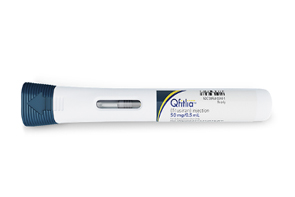
- Sanofi A long-acting treatment for all types of hemophilia, administered every 2 months, has been designated as an orphan drug in South Korea. According to the “Regulations on the Designation of Orphan Drugs” released by the Ministry of Food and Drug Safety on the 7th, Sanofi's Fitusiran was designated as the 386th orphan drug in Korea. Fitusiran was released under the brand name Qfitlia in the U.S.. In March, the U.S. FDA approved Fitusiran as the first antithrombin inhibitor-based therapy with the convenience of a twice-monthly subcutaneous injection, for the routine prophylaxis to prevent bleeding in patients aged 12 years and older with hemophilia A or B. Fitusiran is an siRNA (small interfering RNA) therapy designed to target antithrombin, a protein involved in blood clotting, for the treatment of patients with hemophilia A and B. It works by lowering antithrombin levels to promote thrombin production, thereby improving hemostasis and preventing bleeding in hemophilia patients. Currently, the hemophilia treatment market is dominated by Hemlibra for hemophilia A, while concizumab by Sanofi and Novo Nordisk is under development as a treatment for both hemophilia A and B. Regarding its designation as an orphan drug, according to the minutes of the Central Pharmaceutical Affairs Council meeting released by the MFDS on the 7th, there was an opinion that Fitusiran is a drug that can meet unmet needs and requires post-marketing surveillance. The committee members believe that Fitusiran is expected to provide patients with a better treatment option by addressing the limitations of current treatments in key areas such as ABR, joint bleeding, patient compliance, and the impact on quality of life. Additionally, while existing medications are currently available, if Fitusiran demonstrates superiority over existing products in terms of ensuring a smooth supply of medications for patients, reducing treatment costs, decreasing administration frequency, alleviating pain, and reducing bleeding, it was deemed to meet the criteria for having an unmet need. In particular, existing treatments have low convenience due to the burden of intravenous injections and frequent administration (2–3 times per week). However, Fitusiran, which is an intravenous injection usable for both hemophilia A and hemophilia B, has the advantage of subcutaneous injection every 4–8 weeks, offering improved convenience. However, while it appears to have improved safety and efficacy compared to alternatives, given its new pharmacological mechanism, careful review is necessary regarding data submission exemptions.. Although the structure of N-acetylgalactosamine and its pharmacologic mechanism when used as a target ligand in oligonucleotide and siRNA therapy are already well known, a detailed review of domestic clinical results would be necessary due to safety concerns identified in previous clinical trials. Therefore, regarding safety, the CPAC decided that the risk level could be judged as acceptable for approval by referencing overseas approval criteria, but appropriate patient monitoring would be necessary. The CPAC members stated that “Hemophilia is a disease with a clear pathophysiology and no significant differences in response between races. The submitted Phase III clinical trial results showed that Asian patients accounted for a relatively high proportion of participants, and submitted the opinion that domestic approval is reasonable. Meanwhile, it is reported that the annual cost of Fitusiran in the United States amounts to approximately USD 642,000 (approximately KRW 944 million).
- Policy
- Ofev reimbursed from May... inflow of generic versions
- by Lee, Hye-Kyung May 09, 2025 05:59am
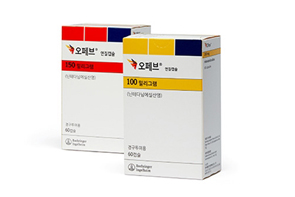
- The generic drug market is growing for Boehringer Ingelheim's idiopathic pulmonary fibrosis treatment ‘Ofev Soft Capsules (nintedanib),’ which was granted reimbursement and was listed from this month, 8 years after approval. On the 7th, the Ministry of Food and Drug Safety approved 2 items, 100 mg and 150 mg of Whan In Pharm’s ‘Ofenip Tab (Nintedanib Esylate).’ Ofenip is the fourth generic version approved for Ofev, which was approved in 2016. Generic drug approvals began with Yungjin Pharmaceutical's ‘Nintebro Tab’ in December last year, followed by Daewoong Pharmaceutical's ‘Ofevia Tab and Ildong Pharmaceutical's ‘Cuninta Tab’. The Ofev generics have been granted marketing authorizations upon the original drug's patent expiration on January 25. Ofev, which contains nintedanib, has three indications: ▲treatment of idiopathic pulmonary fibrosis, ▲delaying the decline in lung function in patients with systemic sclerosis-associated interstitial lung disease, and ▲treatment of chronic fibrosing interstitial lung disease with progressive phenotype. However, the generic versions of Ofev do not have the indication for the treatment of idiopathic pulmonary fibrosis and have only been approved for the remaining two indications. The reason for this can be found in the reimbursement process for Ofev. According to the results of the reimbursement adequacy review conducted by the Drug Reimbursement Evaluation Committee of the Health Insurance Review and Assessment Service in January, Ofev was only granted reimbursement for two indications: systemic sclerosis-associated interstitial lung disease and chronic fibrosing interstitial lung disease with progressive phenotype. Although Ofev was initially approved for idiopathic pulmonary fibrosis, the pharmaceutical company did not submit separate cost-effectiveness data for the indication, so no discussion had been made regarding its reimbursement. In particular, in South Korea, Ildong Pharmaceutical’s ‘Pirespa Tab (Pirfenidone) had dominated the reimbursement market for idiopathic pulmonary fibrosis since 2015, so Boehringer Ingelheim, which owns Ofev, had no choice but to pursue a differentiation strategy. This is why latecomers following Ofev that are attempting reimbursement have also entered the market with indications that are being reimbursed for the original drug. Currently, the number of patients eligible for Ofev’s use with reimbursement in Korea is estimated to be about 329. With reimbursement, patients will see a significant reduction in their annual medication costs from KRW 19.14 million to KRW 5.74 million. In addition to the pharmaceutical companies that have already received approval, domestic companies such as Chong Kun Dang, Sama Pharm, and Samoh Pharm are also developing generic versions of Ofev, so more generics are expected to be released in the future.

- Policy
- Drug-switching to AZ Ultomiris increases with aHUS reimb
- by Lee, Tak-Sun May 07, 2025 06:02am
- Product photo of Soliris and Ultomiris Drug switching for atypical Hemolytic Uremic Syndrome (aHUS) has become common practice. As 'Ultomiris (ravulizumab)' becomes reimbursed as of January in addition to previously reimbursed 'Soliris (eculizumab),' patients on Soliris are switching to Ultomiris. Two drugs are pre-reviewed medications distributed by AstraZeneca. According to industry sources on the 30th, the Health Insurance Review & Assessment Service (HIRA)'s Medical Practice Assessment Division has recently disclosed that the number of pre-reviewed cases between February and March was 15. Ten of these cases were submitted by Ultomiris for pre-review assessment. Nine of the ten Ultomiris cases were approved, while one was not. Two Soliris cases are related to the termination of administration. Two were approved, while one was not. aHUS is a rare disease in which chronically uncontrolled complement activity leads to thrombotic microangiopathy (TMA), causing persistent damage by thrombosis and inflammation to the small blood vessels throughout the body. It is known that approximately 79% of patients die or require dialysis within three years of onset and suffer permanent renal damage. The only treatment, Soliris, has been reimbursed by national health insurance since July 2018. However, because it is an expensive drug, reimbursement decisions are made through pre-review authorization as part of benefit management. The problem is that the approval rate for pre-review authorization is as low as 30–40%, prompting calls to either ease the pre-review authorization requirements or switch to follow-up review to improve patient access. Meanwhile, Ultomiris, an upgraded alternative to Soliris, has been reimbursed for aHUS since January of this year. Ultomiris is a next-generation C5 complement inhibitor with a half-life approximately four times longer than Soliris. In contrast, Soliris must be administered every two weeks, while Ultomiris extends the dosing interval to eight weeks, thereby improving convenience. As administration convenience has dramatically improved, patients on Soliris are now switching to Ultomiris. All ten cases disclosed were drug-switching administrations. In nine approved cases, Soliris had been administered in three cases in 2024, two cases in 2023, two cases in 2022, one case in 2021, and one case in 2018, and applications for coverage as Ultomiris drug-switching met the criteria and were approved. In a case where Soliris was not approved in 2022, the review committee concluded that treatment discontinuation was necessary due to symptom improvement, leading to non-approval. Drug-switching from Soliris to Ultomiris is expected to increase further. When setting the reimbursement criteria for Ultomiris, the Ministry of Health and Welfare also clarified the criteria for drug-switching. It specified that patients currently on Soliris who switch to Ultomiris must meet the maintenance criteria under the Ultomiris coverage guidelines and not meet any discontinuation criteria. MOHW also announced that the starting point for monitoring treatment efficacy and calculating the treatment period would be when Soliris was administered. However, whether reimbursing Ultomiris will raise the pre-review authorization approval rate for aHUS patients is still uncertain. This is because non-approval cases continue to occur among new patients. An industry professional said, "Since last November, pre-review authorizations for Soliris and Ultomiris in PNH have been converted to standard reviews, but for patient care, pre-review authorization should also be abolished for aHUS."

- Policy
- Increasing requests for BESREMi reimbursement
- by Whang, byung-woo May 07, 2025 06:02am
- Whether the polycythemia vera (PV) treatment BESREMi (ropeginterferon alfa-2b) will be considered for the Drug Reimbursement Evaluation Committee (DREC) review gains attention. Product photo of BESREMiAccording to the pharmaceutical industry sources, the 5th DREC of the Health Insurance Review & Assessment Service (HIRA) is scheduled to convene on the 8th. BESREMi is a next-generation interferon that targets the JAK2 mutation gene, which causes polycythemia vera. It was developed with improved purity and tolerability over existing interferons so that it can be administered every two weeks for the first 1.5 years and then every four weeks thereafter. However, despite having its reimbursement criteria set by the Cancer Drug Reimbursement Committee in March of last year, BESREMi has not yet been submitted to the Drug Reimbursement Evaluation Committee (DREC) even after 14 months, and it remains unclear whether it will be on the agenda for the upcoming 5th committee meeting. On May 2, the Korea Leukemia Patients Association called for a discussion of BESREMi's reimbursement to provide a treatment option for polycythemia vera patients with no alternatives. The Association explained, "The only treatment currently reimbursed by national health insurance is hydroxyurea. However, approximately 10–20% of all patients are either refractory or cannot continue to take the drug due to side effects. For these patients, BESREMi is virtually the only treatment alternative." As of 2023, there are 4,995 polycythemia vera patients in South Korea, who are classified into low- and high-risk groups. Professor Seong-Yun Lee of the Division of Hematology-Oncology at Ilsan Paik Hospital remarked, "Although polycythemia vera may seem small in patient pool as a rare haematologic malignancy, the patient population continues to grow. Over time, low-risk patients transition to the high-risk category, increasing the likelihood of resistance or intolerance, so the scale should not be underestimated." Notably, during the parliamentary petition in February last year to urge BESREMi's reimbursement, the initiative collected 50,552 signatures in just 30 days, demonstrating broad social consensus on the need for treatment, and the Association insists that the system and administration must respond swiftly. The Association stated, "The fact that BESREMi has not been submitted to the DREC even 14 months after the Cancer Drug Reimbursement Committee's decision reflects that the government and the pharmaceutical company are ignoring the desperate reality of patients without treatment options," and demanded, "BESREMi must be placed on the committee's agenda, approved, and quick price negotiations must follow." Nevertheless, there is reason to hope that BESREMi will be on the 5th DREC's agenda, as the HIRA's Economic Evaluation Committee has already confirmed its cost-effectiveness. The next steps will proceed based on whether the company accepts the government's proposal, and industry sources say that PharmaEssentia Korea, which has BESREMi, has agreed to the proposal after persuading its global headquarters. Although further discussions remain, some predict that BESREMi's bid for reimbursement will advance rapidly now that some compromises have been reached. The key will be the specific price-setting since, with global interferon shortages continuing and more cases of BESREMi adoption emerging, the price set in Korea may serve as a reference. It is also anticipated that PharmaEssentia Korea may propose a risk-sharing agreement (RSA) during negotiations, meaning that even after DREC approval, negotiations with the HIRA on pricing will remain a challenge for the company. Professor Lee said, "It would be ideal for all patients to receive treatment without financial burden, but considering the limits of national health insurance finances, priority reimbursement for patients who are resistant or intolerant to hydroxyurea is urgently needed. These patients have no other treatment options if they cannot be treated with hydroxyurea."
