
- LOGIN
- MemberShip
- 2026-04-27 06:14:02
- Policy
- Gov’t sets criteria for drug shortage prevention
- by Lee, Hye-Kyung Aug 07, 2025 06:06am
- Prime Minister Min-seok Kim chaired the 7th Biohealth Innovation Committee at the Government Complex Seoul on the 5th The government will improve the criteria to raise the prices of drugs essential for patient treatment. Specifically, it will establish detailed evaluation criteria for price adjustment requests submitted by pharmaceutical companies that deem the current insurance price ceiling unreasonable. Prime Minister Min-seok Kim chaired the 7th Biohealth Innovation Committee at the Government Complex Seoul on the 5th and discussed measures to foster Korea into a biohealth powerhouse with government and private sector members. The meeting covered major issues such as improving drug price standards, revising the cost calculation method for exit prevention drugs, and expanding support for late-stage clinical bio venture funds. First, the criteria for designating drugs subject to drug shortage prevention measures will be revised upward to align with the changing pharmaceutical market environment in consideration of how their stable supply would affect the population as well as the fiscal expenditures required from the national health insurance. There have been calls from the field that the current criteria for designating drugs subject to drug shortage prevention measures, which have been in place since 2017, lack practicality, and there is a consensus that the minimum threshold amount needs to be revised to reflect factors such as inflation rates. In response, the government plans to publicly disclose by the end of the year a price adjustment criteria for such essential medicines, which will comprehensively consider factors such as the medical necessity, availability of alternatives, the number of suppliers of the same formulation (including whether the product is de facto the only drug supplied), and the supply situation of the drug, when evaluating price increases for drugs whose maximum prices have been announced and deemed significantly unreasonable by pharmaceutical companies. The government stated that through this, it expects to realistically adjust the minimum benchmark amount for selecting drugs to prevent withdrawal from the market by reflecting factors such as inflation rates, and to evaluate whether to adjust the maximum price based on drug price adjustment criteria that comprehensively consider actual supply conditions, thereby improving the profitability of essential drugs for patient care. Additionally, based on results of a recent study on improving the system for drug shortage prevention drugs, the government will revise part of the Standards for the Determination and Adjustment of Drug Prices (Appendix 5) to improve the cost calculation method for such medications, with the revised standards to be implemented in the first half of next year. The system improvements that will be made through revisions to the relevant regulations are expected to ensure preservation of appropriate production costs for drug shortage prevention drugs, leading to an increase in drug prices and enhanced supply stability for such drugs. Discussions on support for biotech companies were also held. The government is considering the establishment of a specialized fund for companies with ongoing or complete Phase III clinical trials that possess candidate substances or pipeline for innovative new drugs and biobetters. This is expected to enable domestic pharmaceutical and venture companies with excellent capabilities to secure sustained investment for Phase 3 clinical trials, which require significant time and costs, thereby increasing the likelihood of developing blockbuster new drugs. The government also plans to establish a basic-specialized-advanced step-by-step support system to help domestic companies enter the global market in response to the rapidly changing global pharmaceutical environment and provide customized consulting services. In addition, the government plans to provide specialized information through workshops on approval and licensing of advanced pharmaceutical and biotech products, produce online educational videos, and publish expert articles. Discussions were also held on expanding customized cost support in response to regulatory tightening in advanced countries such as the United States and the EU. To prepare for the tight regulations in advanced countries such as the FDA and MDR, the government plans to adjust the schedule for announcing customized cost support programs (from March 2024 to January 2025) to extend the support period for selected companies in the same year. Also, the government plans to change the project operation method to allow continuous cost support without additional project solicitations after monitoring the first-year performance when selecting this year's support recipients. Through these measures, domestic companies will be able to alleviate the financial burden and human resource shortages associated with certifications for the U.S. FDA and European MDR. In order to respond to the rapidly changing global pharmaceutical environment, the government plans to establish a step-by-step (basic-specialized-advanced) support system for domestic companies to advance into the global market and provide customized consulting services. Discussions were also held on a project being carried out by the Korea Disease Control and Prevention Agency (KDCA). The KDCA’s project supports the development of mRNA vaccines for pandemic preparedness in order to secure a vaccine platform that can be developed at a rapid pace in preparation for future pandemics. This project is a large-scale research project with a total budget of KRW 505.2 billion, which will support research and development tasks from preclinical to Phase III clinical trials over four years (2025-2028) with the goal of obtaining approval for a COVID-19 mRNA vaccine by 2028. The preliminary feasibility study was exempted in 2024, and the total budget and project period were finalized in March this year through a review of the appropriateness of the project plan. The KDCA confirmed the selection of four non-clinical trial project institutions in April and is currently supporting research and development to enter Phase I clinical trial in December of this year. To ensure the smooth implementation of the project, the KDCA's mRNA Vaccine Development Support Team and the Korea Health Industry Development Institute are planning the project and managing the performance targets. If the COVID-19 mRNA vaccine is developed through the project, it will not only ensure a stable supply of vaccines for high-risk groups but also enable the rapid development of vaccines within 100 to 200 days using Korea’s own mRNA vaccine technology in the event of a future pandemic.
- Policy
- H1 Pharma exports amounted to $5.38B
- by Lee, Hye-Kyung Aug 07, 2025 06:05am
- In the first half of this year, healthcare industry exports increased by 13.2% compared to the same period last year, reaching $13.79 billion, an all-time high for a half-year period. By sector, exports were led by cosmetics at $5.51 billion (+14.9%), pharmaceuticals at $5.38 billion (+20.5%), and medical devices at $2.91 billion (△0.6%). The Korea Health Industry Development Institute (KHIDI, President: Soon-do Cha) announced these export figures for pharmaceuticals, medical devices, and cosmetics for the first half of 2025 on August 6. Exports of pharmaceuticals increased by 20.5% year-over-year to $5.38 billion, driven by a surge in biopharmaceutical and vaccine exports. Biopharmaceutical exports (accounting for approximately 63.4% of total pharmaceutical exports) recorded $3.41 billion, a 27.4% increase year-over-year. Notably, exports saw a significant increase to the United States ($980 million, +41.4%), Hungary ($520 million, +26.8%), Germany ($470 million, +66.7%), Switzerland ($460 million, +76.9%), and the Netherlands ($250 million, +719.8%). H1 2025 Healthcare Industry Exports (unit: $1 million, %) Vaccine exports ($170 million, +53.3%) grew significantly in Sudan ($20 million, +397.3%), South Sudan (from $0 in H1 2024 to $10 million in H1 2025), and Congo (from $0 in H1 2024 to $10 million in H1 2025). According to Lee Byung-kwan, head of KHIDI's Biohealth Innovation Planning Division, "In the first half of 2025, healthcare industry exports were driven by all-time high half-year performances in the cosmetics and pharmaceutical sectors," and added, "In the second half, export growth is also expected to continue, driven by the expanding global demand for key products like biopharmaceuticals and basic cosmetics." Lee emphasized, "As external uncertainties such as changes in the U.S. tariff policy persist, it is crucial to monitor market trends and respond with caution and strategy carefully."
- Policy
- Faslodex’s price stays as is…supply instability concerns
- by Lee, Tak-Sun Aug 05, 2025 06:08am
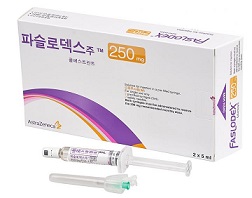
- The breast cancer drug Faslodex (fulvestrant, AZ Korea), was facing a price cut due to the expiry of its premium pricing period, but this was prevented by the pharmaceutical company's request for a stay of execution. On the 31st of last month, the MOHW announced that the court had temporarily suspended the execution of the disposition to reduce the insurance price ceiling for Faslodex until August 31. The expiration of the premium pricing period for Faslodex was scheduled following the entry of generic drugs. Although the one-year price adjustment period expired in 2023, it was extended for an additional 2 years because three or fewer companies were producing the same drug. The price of AstraZeneca's Faslodex Inj was scheduled to be reduced from KRW 376,724 to KRW 288,194, while Boryung’s Fulvet Inj’s price was set to decrease from KRW 357,888 to KRW 288,194 as a Korean innovative pharmaceutical company’s product. At the time, AstraZeneca and Boryung requested an extension of the premium pricing period, citing supply issues prior to its expiration. However, with the emergence of Hankook Korus Pharm’s “Elbracan inj,” a domestically produced generic version of the drug, the insurance authorities decided in February to end the premium pricing as planned. Boryung Fulvet's price was reduced as planned, while AZ Faslodex's price remained unchanged due to the suspension of the administrative disposition. The Faslodex issue unexpectedly came up during Minister of Health and Welfare Eun-kyung Jeong’s confirmation hearing last month. In a written Q&A, the then-candidate exchanged with the NA before the confirmation hearing, multiple members of the National Assembly raised concerns about potential supply disruptions due to the termination of the premium pricing. At the time, Jeong, “Two identical drugs (substitutes) from other companies are currently listed, so the Drug Reimbursement Evaluation Committee (DREC) decided to terminate the preimium pricing for Faslodex,” adding, “We will manage generic drug prices at an appropriate level and strengthen domestic production and supply bases to ensure a stable supply of essential drugs.” The original manufacturer and patient groups argue that Faslodex, which was designated as a national essential medicine in November last year, requires price protection measures. The multinational pharmaceutical company AZ is reportedly considering withdrawing from the Korean market if Faslodex’s prices are reduced due to the end of the premium pricing period. However, domestic insurance authorities maintain that they decided to end the price adjustment period in accordance with principles, as domestic generic drugs are now available and there are no supply issues with the generic versions. AZ appears to have planned to continue domestic supply while maintaining its drug’s price through the lawsuit. However, if the court ultimately rejects the request for a stay of execution or if AZ loses the lawsuit, there is a possibility that the company’s global headquarters could decide to withdraw the drug from the domestic market. If the supply of the original anticancer drug is discontinued, its impact on the market could be significant, even if generic drugs are available. Given the nature of anticancer drugs, there is a strong preference for the original product, and with the original drug already holding a 90% market share, it would be difficult to immediately switch to generics. Accordingly, while the insurance authorities have upheld the principle of ending the premium pricing for Faslodex, the analysis is that special management would be necessary to prevent future supply issues. An industry insider explained, “Compared to AstraZeneca's withdrawal of the diabetes treatment drug Forxiga from the domestic market last year, the situation with Faslodex is not as straightforward. While Forxiga is a chronic disease treatment that can be replaced by generics, Faslodex is a life-saving drug for cancer patients, and cannot be immediately substituted with its generic versions.”

- Policy
- MFDS clarifies support for advanced biopharmaceuticals
- by Lee, Hye-Kyung Aug 04, 2025 05:53am
- With the Ministry of Food and Drug Safety raising the approval and review fees for advanced biopharmaceuticals by up to KRW 410 million from January 1 this year, it has clarified the criteria for those eligible for fee reductions. In addition, detailed administrative disposition standards have been set for cases where human cell managers and cell processing facilities commit two or more violations. According to industry sources on the 1st, the MFDS recently re-announced its partial amendment to the Regulations on the Safety and Support of Regenerative Medicine and Advanced Biological Products and is collecting opinions. The revision includes the following provisions: ▲Integration of forms related to new drug fees (Appendix 4); ▲Clarification of fees for new drugs eligible for expedited processing; ▲Addition of supplementary provisions (application examples and transitional measures) to clarify the application of fee regulations; ▲Clarification of the wording of administrative disposition standards (Appendix 2). Specifically, the provision that previously stated that small and medium-sized enterprises would receive a 50% reduction in approval and review fees has been revised to require that the reduction be granted only if certain conditions are met. For fee reductions on new drug approvals, among advanced biopharmaceuticals designated for expedited review, the applicant must meet at least one of following conditions: ▲Manufacturers or entities that have filed a commissioned manufacturing and sales report in accordance with Article 23(3) of the Act, who have applied for product approval under Article 23(2) and (3) of the Act, customized review under Article 37(1), or conditional product approval under Article 38(1) of the Act. ▲Importer who has applied for an import license under Article 27(1) of the Act, customized review under Article 37(1), or conditional product approval under Article 38(1) of the Act For advanced biopharmaceuticals not designated for expedited review, fee reductions apply only when an applicant applies for marketing authorization under Article 23(2) and (3) of the Act. If the conditions for reduction are met, the fees for the approval and review of advanced biopharmaceuticals are set as follows: KRW 205 million for advanced biopharmaceuticals classified as new drugs requiring safety and efficacy reviews, KRW 123 million for those requiring reviews of manufacturing and quality control standards and test methods, and KRW 41 million for those requiring an evaluation of the implementation status of manufacturing and quality control standards. Additionally, the administrative disposition standards for cases involving two or more violations have been clarified as follows: “In cases where two or more violations have occurred, the most severe administrative penalty standard shall apply. However, if the administrative penalty standards correspond to the same business suspension, the most severe administrative penalty standard shall be applied, with half of each remaining administrative penalty standard added, provided that the maximum period does not exceed one year.” Meanwhile, in January, the MFDS raised the fees for new drug approval and preliminary review by about 50 times to KRW 410 million to strengthen the speed and expertise of new drug approval reviews. The revised fees apply to new drugs (including advanced biopharmaceuticals) and drugs that have been granted marketing authorization as orphan drugs and subsequently apply for conversion to new drug status (change approval). The review period is expected to be reduced from an average of 420 days to 295 days.
- Policy
- ENT and pediatric departments prescribe the most drugs
- by Lee, Hye-Kyung Aug 01, 2025 06:16am
- Last year, medical institutions prescribed an average of 3.85 drugs per prescription. Outpatient clinics prescribed the most at 3.94, followed by hospitals at 3.88, general hospitals at 3.48, and tertiary hospitals at 3.10. The percentage of medical institutions prescribing 6 or more drugs increased by 0.79% from 18.34% in the previous year to 19.13%. These figures were released on the 31st by the Health Insurance Review and Assessment Service in its “2024 Drug Reimbursement Adequacy Assessment Results.” In the case of tertiary hospitals, the standard deviation in the number of drugs per prescription between institutions ranged from 2.60 at the lowest to 3.98 at the highest, indicating no significant difference. In contrast, clinics showed a range of 1.00 at the lowest to 8.89 at the highest, revealing a substantial difference. By age group, the number of drugs per prescription was highest for infants at 4.65, followed by children and adolescents at 4.25, adults at 3.75, and the elderly at 3.62. Among tertiary hospitals, the number of drugs prescribed for the elderly was the highest at 3.34, while general hospitals, hospitals, and clinics had higher rates for infants at 4.39, 4.90, and 4.62, respectively. The most common condition for medication prescriptions was acute lower respiratory tract infection, with 5.12 drugs prescribed per prescription. This was followed by acute upper respiratory tract infection at 4.77 and other upper respiratory tract disorders at 4.66. The number of drug items per prescription at clinics was 3.94, an increase of 0.03 from 3.91 in the previous year. By subject, the highest numbers were in otolaryngology (4.80), pediatrics (4.62), and general medicine/family medicine (3.97). By region, the ratio of the number of drug items per prescription was highest in Sejong (4.14%), then Incheon (4.04%), then Jeonbuk (4.03%), and lowest in Daegu (3.82%), then Seoul and Daejeon (3.85%). The prescription rate for 6 or more items was 18.143%, with tertiary general hospitals at 13.08%, general hospitals at 15.25%, hospitals at 19.02%, and clinics at 19.19%. Among clinics, 18,317 institutions (54.53%) had a prescription rate of 10% or less for six or more items, which was the highest number, and the ratio decreased by 0.99% compared to the previous year. Institutions with a rate of 40% or higher for prescribing six or more items accounted for 2,063 institutions (6.14%), with the highest rates observed in otolaryngology (29.22%) and pediatrics (20.76%) departments. The antibiotic prescription rate for acute upper respiratory tract infections was 45.20%, with tertiary general hospitals at 7.15%, general hospitals at 34.67%, hospitals at 53.60%, and clinics at 44.87%. Compared to the previous year, the rate increased the most in clinics (increased 3.97 percentage points). The number of institutions with an antibiotic prescription rate for acute upper respiratory tract infections below 10% was the highest at 3,320 (22.26%), a decrease of 3.23 percentage points compared to the previous year. The number of institutions with an antibiotic prescription rate for acute upper respiratory tract infections of 70% or higher was 2,338 (15.67%). The antibiotic prescription rate for acute upper respiratory infections at clinics was 44.87%, with the highest rates in otolaryngology (51.76%), pediatrics (46.07%), and general medicine (42.72%). By region, the rates were highest in Gwangju (50.23%), Chungnam (49.05%), and Chungbuk (47.97%), and lowest in Ulsan (42.06%), Daejeon (42.20%), and Seoul (42.50%). The antibiotic prescription rate for acute lower respiratory tract infections was 61.86%, with 21.73% at advanced general hospitals, 48.84% at general hospitals, 59.55% at hospitals, and 62.29% at clinics. The antibiotic usage per patient was 1,837.9 DDD for acute upper respiratory tract infections, 2,672.5 DDD for acute lower respiratory tract infections, and 2,463.0 DDD for respiratory diseases.
- Policy
- PPP also proposes free HPV vaccination for ppl under 26
- by Lee, Jeong-Hwan Aug 01, 2025 06:16am
- Following the ruling party, the main opposition party, the People Power Party, also submitted a bill to the National Assembly to provide free HPV vaccines to all citizens aged 26 and under, regardless of gender. The People Power Party’s bill also included provisions to expand the scope of free influenza vaccinations beyond the current coverage. This would involve increasing the age eligibility for influenza vaccines under the National Immunization Program (NIP), which was previously only applied to children, adolescents, and the elderly. Currently, three types of HPV vaccines are approved in South Korea: Cervarix (bivalent), Gardasil (Quadrivalent), and Gardasil 9 (9-valent). If the legislation is passed, the expansion of the scope of NIP is expected to bring positive outcomes. Currently, only Cervarix and quadrivalent Gardasil are included in the NIP, but the demand for Gardasil 9’s inclusion in the NIP will likely grow if the legislation is enacted. On the 31st, People Power Party member Mi-ae Kim introduced a bill to amend the Infectious Disease Control and Prevention Act to include these provisions. Expanding eligibility for free HPV vaccinations to both men and women was a common campaign promise of both the ruling and opposition parties in the last presidential election. Until now, only the ruling party had submitted related bills to the National Assembly (by Reps. Hee-seung Park and Sujin Lee), but with Rep. Mi-ae Kim introducing a bill with the same intent, the legislation is gaining momentum. Rep. Kim pointed out that HPV is a virus that can cause various diseases, including cervical cancer, anal cancer, and oral cancer, and can affect both men and women. However, she said that the issue is that the current NIP is limited to “women aged 12 to 26.”. To address this, Rep. Kim introduced a bill to include anyone under the age of 26, regardless of gender, in the free HPV vaccination program. In addition, Rep. Kim’s bill includes a provision to expand the scope of free influenza virus vaccinations. Currently, the NIP (free vaccination) for influenza vaccines is limited to “pregnant women, children aged 13 and under, and seniors aged 65 and over.” In the bill, Representative Kim expanded the scope of free influenza vaccinations to “those aged 18 and under and those aged 62 and over.” Rep. Kim explained, “Considering that most children engage in group activities at school until around the age of 18, it is necessary to extend the age range for vaccination to 18 to more thoroughly prevent the spread of the influenza virus. In addition, vaccination support for the elderly, who are vulnerable to influenza, must be strengthened further.” Meanwhile, the Democratic Party of Korea has proposed swift passage of bills related to the common campaign pledges of both parties during the presidential election to PPP and other opposition parties, which include free HPV vaccinations for both men and women.
- Policy
- MOHW seeks measures to attract domestic investment
- by Lee, Jeong-Hwan Jul 31, 2025 06:15am
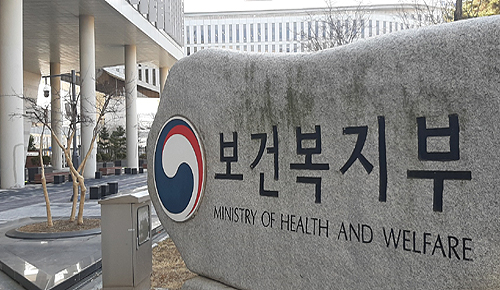
- The government is seeking ways to encourage multinational pharmaceutical companies to strengthen domestic investment, including the establishment of new pharmaceutical production plants in Korea. However, international trade issues and other obstacles remain to be overcome to attract domestic investment from multinational pharmaceutical companies, and it remains uncertain whether practical measures can be established. On the 30th, the Ministry of Health and Welfare announced this plan in response to the National Assembly Health and Welfare Committee's inquiry regarding the current status of domestic investment by global pharmaceutical companies and incentives. The MOHW agreed with the committee in that in order for South Korea to become a pharmaceutical and bio powerhouse, it is essential to not only expand investment by domestic pharmaceutical companies but also attract investment from global pharmaceutical companies. As an example of a global pharmaceutical company establishing a factory or production base in South Korea, the MOHW cited Janssen Vaccines, which operates a biopharmaceutical manufacturing plant in Songdo, Incheon. Another example is Otsuka Pharmaceutical Korea, which operates a factory in Hwaseong, Gyeonggi Province, capable of synthesizing active pharmaceutical ingredients and producing finished pharmaceutical products. The MOHW announced that it will investigate whether multinational pharmaceutical companies are willing to invest in Korea, what their difficulties are, and what incentives would be effective in attracting investment. To this end, the MOHW is expected to meet with the Korean Research-based Pharmaceutical Industry Association (KRPIA) to discuss the multinational pharmaceutical companies’ interest in domestic investment. The MOHW stated, “Domestic investment by global pharmaceutical companies has many positive effects in terms of securing infrastructure and creating jobs,” adding, “We will work with relevant associations to identify the investment intentions and difficulties of global pharmaceutical companies in Korea and come up with measures to attract investment.”

- Policy
- MFDS says, abortion drug approval cannot be reviewed
- by Lee, Hye-Kyung Jul 30, 2025 06:16am
- Product photo of Hyundai Pharm filed a marketing authorization application for oral abortion drug 'Mifegymiso Tab (mifepristone·misoprostol)' last year. However, it has been confirmed that, under the current state of legislative void, the review cannot even begin. On the 30th, the Ministry of Food and Drug Safety's (MFDS) Pharmaceutical Approval Management Division responded to an inquiry from specialized journalists, stating, "The review of Mifegymiso Tab can only commence once a legal basis is established, and currently, review is not possible." They added, "Hyundai Pharm also understands that the efficacy, indications, dosage, and administration, etc., can only be set once the allowance and permissible gestational age for medication-induced abortion are clearly defined by law." Mifegymiso is a drug that induces early pregnancy termination. It is already used in over 90 countries, including the United States and France, since the World Health Organization (WHO) designated it as an 'essential medicine' in 2005. In South Korea, Hyundai Pharm signed an exclusive supply agreement with LinePharma UK and submitted its third marketing authorization application in December 2024, following previous submissions in 2021 and 2023. The two previous applications were voluntarily withdrawn due to requests for supplementary data. An MFDS official explained, "The establishment and review of key assessment items, such as efficacy, effect, dosage, administration, and Risk Management Plan, are only possible once the allowance and permissible gestational age for medication-induced abortion are legally defined." They added, "Hyundai Pharm is also aware of this and has agreed through internal discussions that it is difficult to proceed with approval at this time." Under the current legal framework, only surgical abortion methods are permitted, and medication-induced termination lacks a legal basis. Although the Constitutional Court of Korea ruled the abortion ban unconstitutional in 2019, amendments to the Criminal Act and the Mother and Child Health Act have not yet been made, leading to an ongoing legislative void. Consequently, MFDS has not yet taken official action, such as refusing approval or suspending review, for Mifegymiso Tab. It is being formally managed as 'under review.' The official emphasized, "Internal discussions regarding alternative methods, such as conditional approval or restricted use, have not reached a feasible level." The MFDS's position is that it cannot make a judgment alone, as this is an issue that requires prior social consensus, possibly in the form of legal amendments. Hyundai Pharm announced the submission of the Mifegymiso marketing authorization application through a public disclosure on December 31 last year. The disclosure contained results from three clinical trials conducted in the U.S. and Mexico, where Mifegymiso showed abortion success rates of 94.9%, 96.2%, and 97.3%, respectively. Hyundai Pharm explained that these study results demonstrate the effectiveness of the regimen, which involves taking 200mg of oral mifepristone followed by 800mcg of misoprostol, for terminating pregnancies up to 63 days (9 weeks) of gestation. Mifegymiso is a combipack product consisting of one 200mg mifepristone tablet and four 200mcg misoprostol tablets. The method involves first taking mifepristone, which inhibits the action of progesterone (essential for maintaining pregnancy), and then, 1-2 days later, taking misoprostol, which promotes uterine contractions. This is the method for medical abortion up to 63 days (9 weeks) of gestation recommended by the WHO. An official from Hyundai Pharm stated, "There have been no new updates since the marketing authorization application in December 2024." They added, "We are striving to introduce a safe and effective drug based on the results of three clinical trials conducted in the U.S. and Mexico." Meanwhile, in April 2019, the Constitutional Court of Korea ruled the criminal code's abortion ban unconstitutional, citing respect for women's right to self-determination over their bodies. Consequently, abortion procedures became de facto legalized as of January 1, 2021. In the 21st National Assembly, a total of seven bills related to the abolition of the abortion ban, including amendments to the Criminal Act and the Mother and Child Health Act, were proposed but ultimately expired without proper discussion. In the 22nd National Assembly, Democratic Party of Korea lawmakers Nam In-soon and Lee Su-jin recently proposed amendments to the Mother and Child Health Act.
- Policy
- Will the Korean Avodart+Cialis combos be reimbursed?
- by Lee, Tak-Sun Jul 29, 2025 06:04am
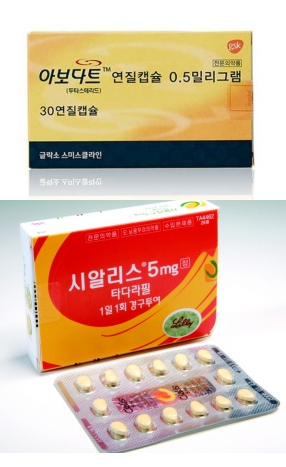
- There is growing interest in whether domestic pharmaceutical companies will succeed in securing reimbursement for the world's first dutasteride and tadalafil combination drug. Currently, this drug is undergoing a new drug reimbursement evaluation process rather than the standard combination drug assessment, as tadalafil is not a reimbursed ingredient. Pharmaceutical companies are seeking the best strategies to provide patients with the treatment options they need. According to industry sources on the 29th, reimbursement reviews are underway for domestically developed dutasteride+tadalafil combination drugs that were approved in January this year. With Dongkoook Pharmaceutical serving as the lead sponsor, Dongkooks’s ‘Uresco Tab,’ Dong-A ST’s ‘Dutana Tab,’ Shinpoong Pharmaceutical’s ‘Avocial Tab,’ DongKoo Bio&Pharma’s ‘Uroguard Tab,’ were approved through a joint clinical trial. The drugs are indicated for the treatment of moderate to severe symptoms of benign prostatic hyperplasia. Normally, combination drugs composed of previously approved ingredients are priced based on the reimbursement rates of their components. However, since tadalafil is a non-reimbursed ingredient, the dutasteride + tadalafil combination drug is excluded from the standard pricing process and is instead undergoing reimbursement evaluation as a new drug. The combination drugs that undergo standard pricing procedures are eligible for reimbursement 3 months after application, but new drugs require additional time for reimbursement due to cost-effectiveness reviews. Furthermore, as the joint developers had expected reimbursement through the standard pricing process, they did not have enough time to prepare the materials required for a new drug review. Nevertheless, the four companies are joining forces to knock on HIRA's door for their drugs’ reimbursement. However, it seems that more time would be required to submit all the necessary materials, as HIRA recently requested additional supplementary materials. As a result, the concerns of pharmaceutical companies are growing. The joint developers have stated that they will closely coordinate with each other regarding the drug’s domestic launch to establish an optimal strategy. A representative from a related pharmaceutical company stated, “We are doing our best to prepare the material and provide this treatment to patients in need in Korea.”
- Policy
- Eun-kyung Jeong “will review limited INN prescriptions”
- by Lee, Jeong-Hwan Jul 28, 2025 06:08am
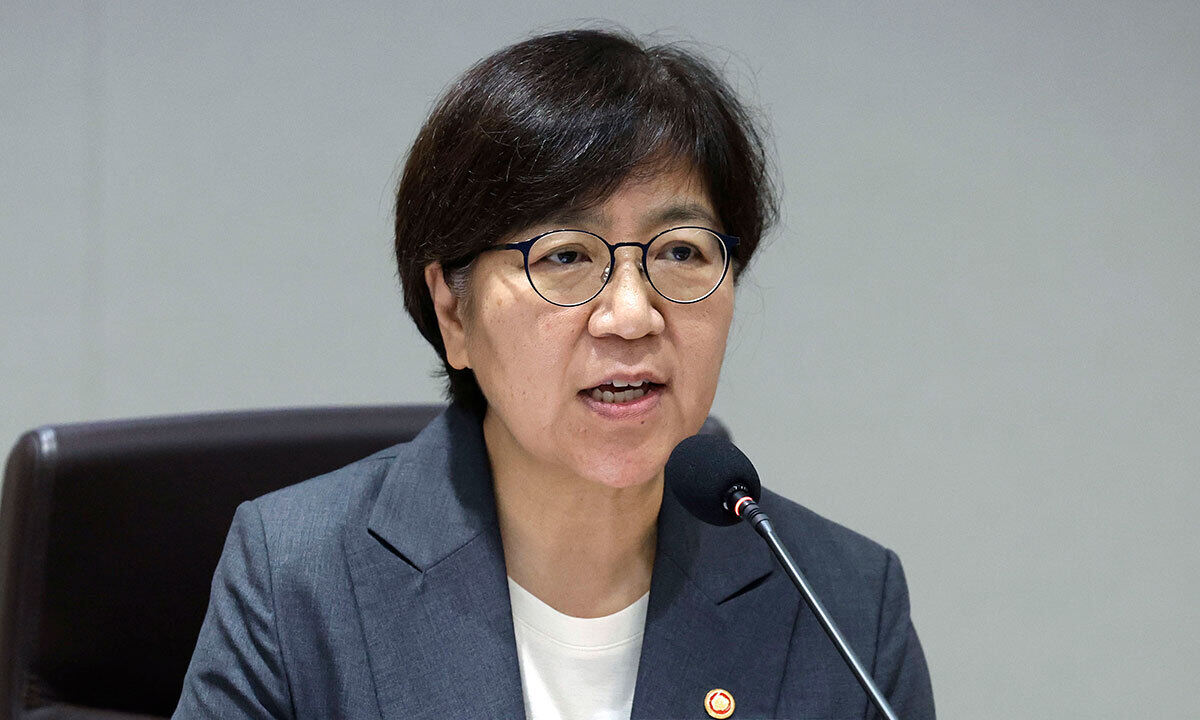
- Minister of Health and Welfare Eun-Kyung Jeong plans to review a plan to allow limited adoption of international nonproprietary name prescriptions for essential medicines with unstable supply. However, she drew a line on the full introduction of INN prescriptions in place of brand-name prescriptions as a measure to address issues such as the proliferation of generic drugs and illegal rebates, saying that it would constitute a violation of the agreement on the prescription-dispensing separation system. As this is one of President Jae-Myung Lee’s campaign pledges, it will be interesting to see how the MOHW will partially introduce INN prescriptions in the future. Minister Jeong responded to an inquiry from Democratic Party of Korea lawmaker Rep Young-seok Seo on INN prescriptions on the 25th. Minister Jeong said, “I believe it is necessary to consider introducing INN prescriptions for essential medicines with unstable supply in order to protect the health of the people,” adding, “However, as there are differing opinions within the medical community, sufficient discussion would be necessary during the implementation process.” She further noted, “Issues such as the proliferation of generic drugs and widespread rebates stem from various causes, including distribution structures, corporate ethics, competitive environments, and drug prices, so a comprehensive approach is necessary to resolve such issues. The full implementation of INN prescriptions would involve changing the consensus reached during the separation of pharmaceuticals and medical services, so sufficient consultation with medical and pharmaceutical associations, experts, and others is necessary regarding the necessity and effectiveness of such a measure.”
