
- LOGIN
- MemberShip
- 2026-05-02 07:22:53
- Policy
- Will Pfizer rise to the top with once-weekly growth hormone?
- by Lee, Tak-Sun Aug 22, 2023 05:31am
- A new growth hormone with improved convenience in administration will be introduced to Korea’s annual KRW 240 billion growth hormone market with reimbursement in September this year. The drug is Pfizer's Ngenla Prefilled Pen Inj. Whether Pfizer will use the reimbursement of its new drug as momentum and be able to rise to the top in this market that is being led by domestic companies such as LC Chem and Dong-A ST, is gaining attention. According to industry sources on the 21st, the Ministry of Health and Welfare announced that it will be newly listing Ngenla Prefilled Pen Inj 24mg and Ngenla Prefilled Pen Inj 60mg with reimbursement from September 1st through the administrative notice of the drug reimbursement standard. Ngenla is a treatment for growth hormone deficiency in children. It offers a longer half-life through molecular modification of the company’s existing growth hormone, Genotropin, which was developed as a once-daily subcutaneous injection formulation. As a result, Ngenla improved the patients’ convenience in administration by requiring only once-weekly injections. Pfizer recorded sales of KRW 30.7 billion (based on IQVIA) last year with Genotropin. Although the company did make a mark in the market, it was considerably less than what LG Chem or Dong-A ST had raised with their respective growth hormone products. Last year, LG Chem’s Eutropin made KRW 84.8 billion, and Dong-A ST’s Growtropin KRW 47.3 billion. Merck’s Saizen also posted sales of KRW 33 billion last year and exceeded Genotropin’s performance. Eutropin is administered 3-6 times a week, Growtropin 5-7 times and week, and Saizen once-daily as injectables. Therefore, Ngenla Prefilled Pen is definitely ahead of existing products in terms of ease of administration. In terms of efficacy, its non-inferiority to Genotropin was observed in annual HV (height velocity) at 12 months, demonstrating the drug’s similar efficacy to Genotropin. The domestic growth hormone market has grown rapidly, nearly doubling in the past four years. This is because the reimbursement standards for the drugs have been partially lowered while the non-reimbursed drug market for growth hormones increased significantly. The analysis is that more children and adolescents are receiving growth hormone injections during vacation. Although Ngenla has better quality by improving administration convenience, industry analysis is that the company would need to have ample sales power comparable to that of domestic companies and must raise sales in the non-reimbursed drug market. In particular, multinational companies will have to ensure stable supply and withstand the supply flood of products being supplied by the domestic companies. Patients tend to have poor adherence to growth hormone therapy. However, long-acting treatments like Ngenla lower the treatment burden and improve adherence, and therefore are likely to offer better results. This is why the industry believes, long-acting recombinant human growth hormone (rhGH) injections are expected to take over the market in the long term.

- Policy
- Januvia generics to be listed for reimb on Sept 2nd
- by Lee, Tak-Sun Aug 21, 2023 05:37am
- Competition in the diabetes treatment market is expected to heat up again next month. Following the patent expiry of the SGLT-2 inhibitor class drug Forxiga, which stirred the market in the first half of the year, the patent of Januvia, the leading DPP-4 inhibitor class drug, is set to expire next month. Accordingly, a large number of same-ingredient generics and salt-modified versions of Januvia will enter the market in line with its patent expiry date, September 2. According to the industry on the 18th, Januvia's substance patent expires on the 1st of next month, and generic companies have applied for reimbursement of their latecomers accordingly. Januvia generics have been approved since 2015. Currently, there are 766 approved single and combination drugs that contain sitagliptin as an active ingredient. Among those, 55 products obtained generic exclusivity and are approved to be sold in advance from September 2 to June 1 next year. The drugs succeeded in avoiding or invalidating all the other patents except for those that expire on the 1st of next month. Since Januvia has been approved for more than 10 years, some items also have disappeared from the reimbursement list. 9 items including Daewon’s Januritin S Tab. 100mg (ceiling price KRW 618) are currently tentatively listed. According to UBIST, the single-agent Januvia recorded KRW 40.5 billion in outpatient prescriptions last year. The fixed-dose combinations Janumet recorded KRW 68.9 billion and Janumet XR 48.2 billion. Both the single-agent and fixed-dose combinations are performing evenly in the market. Combined, the market adds up to be worth KRW 157.6 billion. Therefore, it is safe to say that most domestic pharmaceutical companies will be jumping into the competition. Therefore, there is a high possibility that the heated competition that arose in the diabetes treatment market due to the introduction of Forxiga generics may arise again for Januvia. A total of 149 items (89 single-agent drugs, 60 combination drugs) of drugs were simultaneously listed for reimbursement on April 8. Due to such heated competition, illegal marketing activities by contract sales organizations, which had raised their commission significantly, had also arisen, signifying how heated the competition had been in the market. Competition by Januvia generics will be the same or greater than that of Forxiga, so there is a high possibility that companies will conduct fierce sales and marketing activities to preoccupy the market. Meanwhile, Chong Kun Dang will protect the original Januvia family’s share against generics. Chong Kun Dang purchased the license for the Januvia brand last May for KRW 45.5 billion. With Chong Kun Dang, a strong sales force in Korea’s clinics, guarding the sales of the original Januvia family against generics, expectations are that it will not be easy for generics to penetrate the market and take over sales of the original.
- Policy
- Combination drugs with Januvia to be released in September
- by Lee, Tak-Sun Aug 21, 2023 05:37am
- With the expiry of Januvia's patent on the 1st of next month, the three-drug combination is expected to be launched in earnest in the domestic oral diabetes treatment market. In particular, since the revised reimbursement standard in April recognizes only three drugs, it is noteworthy whether the three-drug complex with improved ease of use will become mainstream. According to the industry on the 20th, the material patent for DPP4-type diabetes treatment Januvia will expire on September 1. As a result, Januvia's generics are expected to emerge. This is because the market size of the domestic Januvia series alone reaches 157.6 billion won (based on UBIST in 2022). In particular, the 3-combination system, which has not been listed on the benefits list, is scheduled to be released. The main character is the combination of metformin + SGLT2i + DPP4i and metformin + SGLT2i + TZD, for which the reimbursement standard was prepared in April. Since the reimbursement standard was established in April, several products for SGLT2i+DPP4i and SGLT2i+TZD two-drug combinations have entered the market and are competing. However, the 2nd drug had the disadvantage of having to take metformin together. The combination drugs containing metformin are evaluated to be much better in terms of ease of administration because they are covered with just one pill. In the third-party market, the products of Hanmi and Daewon, which quickly developed related products, are expected to be the first to start. Daewon Pharm received approval for four doses of drugs consisting of DPP4i + SGLT2i + MET in May and June. Hanmi Pharm also received approval for two doses of SGLT2i + DPP4i + MET in May. These generics will not have any major barriers to market release as the Januvia patent expires next month. Attention is focused on whether the market will respond right away to the three-agent complex with convenience. Chong Kun Dang is also launching a three-agent complex that contains Sitagliptin. However, it is not related to the newly established 3rd system salary standard. Chong Kun Dang received approval for Duvimet XR, a combination of Sitagliptin and metformin hydrochloride, in Duvie, a new diabetes drug developed by Chong Kun Dang, in May. In addition, Duvie S, a combination of Lobeglitazone Sulfate+Sitagliptin Phosphate Hydrate, was approved in June. Both items are expected to be released on the 2nd of next month.
- Policy
- Lower drug dose options trending in chronic diseases
- by Lee, Tak-Sun Aug 18, 2023 05:20am
- Low-dose drugs are trending in the field of chronic diseases. This is because their use in combination with other drugs can be more effective than using a single-agent drug when used to produce fixed-dose combinations or prescribed in combination with other drugs, while reducing the safety risk, compared to high-dose products. Already, three low-dose drug formulations have received reimbursement this month. According to industry sources on the 17th, Sam Chun Dang Pharm’s ARB-class hypertension drug ‘Mirtel Tab 20mg,’ which contains telmisartan 20mg was listed for reimbursement at KRW 284 as of the 1st of this month. Chong Kun Dang released the first telmisartan 20mg, Until now, the only telmisartan 20mg available in the market was Chong Kun Dang’s ‘Telmitrend Tab 20mg,’ which was released in 2021. In the field, there is an opinion that it is effective to reduce the dose of telmisartan when patients experience orthostatic hypotension after being prescribed combinations that contain telmisartan, for example, by reducing the prescribed 40mg to telmisartan 20 mg. However, an unmet need existed as only two doses -40mg and 80mg – of telmisartan were available in the market before the release of Telmitrend 20mg. This is why, the performance of the Telmitrend brand has also risen after the release of Telmitrend 20mg. Last year, according to UBIST, Telmitrend’s sales rose 34% from the previous year, recording KRW 15.2 billion. This is a 98% growth over the last 3 years. In other words, Chong Kun Dang's strategy that accurately saw the demand for low-dose telmisartan worked well. Sam Chun Dang Pharm, which received reimbursement for its new product this time, became the second to receive reimbursement for a low-dose version of its drug, following Chong Kun Dang's precedent. Yuhan Corp recently introduced a new low-dose atorvastatin (5mg) combination drug. Its ‘Atovamibe 10/5mg', which is a combination of atorvastatin 5mg and ezetimibe, was listed at an insurance price ceiling of KRW 637, at a price the same as its 10/10mg product. Atovamibe demonstrated superior LDL-C change rate at Week 8 from baseline compared with atorvastatin 5mg monotherapy and ezetimibe 10mg monotherapy in a clinical trial. In addition, the drug minimized the risk of side effects such as diabetes and myopathy, which can occur with high-dose statins. Hyperlipidemia combination drug that contains low-dose rosuvastatin Hanmi Pharm was the first to start this low-dose statin strategy. The company had widened the market with the low-dose rosuvastatin (2.5mg)+ezeimibe, ‘Rosuzet 10/2.5mg.’ Rosuzet 10/2.5mg was released in December 2021 and has been generating more than KRW 10 billion per year. Daewoong Pharmaceutical, Yuhan Corp, Mother’s Pharmaceutical, Shinpoong Pharm, Jeil Pharmaceutical, GC Biopharma, and HK Inno.N also released their same-ingredient products. On the 1st of this month, Yuhan Corp’s incrementally modified drug (IMD) developer Add Pharma listed Rowroze at KRW 750.
- Policy
- Will Opdivo soon be reimb as first-line gastric cancer Tx?
- by Lee, Tak-Sun Aug 17, 2023 05:29am
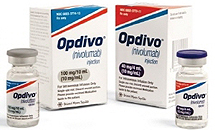
- Whether Ono Pharmaceutical Korea’s ‘Opdivo Inj’ will receive reimbursement as the first first-line immunotherapy option for gastric cancer is gaining attention. If the drug is reimbursed as a first-line treatment for gastric cancer, Opdivo Inj may closely chase the sales of Keytruda, which had expanded coverage as a first-line treatment for non-small cell lung cancer in the immuno-oncology drug market. Three doses of Opdivo Inj were included in the updated list of drugs for which drug price negotiations were recently completed by the National Health Insurance Service. The list contains all the drugs that have completed pricing negotiations by the 10th of this month. After being recognized for the adequacy of reimbursement as a first-line treatment for gastric cancer by the Health Insurance Review and Assessment Service in May, the company has been negotiating the insurance drug price with the NHIS. Its reimbursement standards had been established in June last year by HIRA’s Cancer Disease Deliberation Committee (CDDC). The CDDC set the drug eligible for reimbursement as first-line treatment in combination with fluoropyrimidine- and platinum-containing chemotherapy for advanced or metastatic gastric cancer, gastroesophageal junction cancer, and esophageal adenocarcinoma. The analysis is that if the negotiations are complete, Opdivo will likely be listed for reimbursement soon after reporting to the Health Insurance Policy Deliberative Committee. In particular, HER2-negative gastric cancer, which Opdivo targets, accounts for nearly 90% of all patients. Therefore, the reimbursement expansion is expected to increase its sales greatly. Currently, Opdivo is reimbursed as monotherapy for 4 indications: as first-line and later lines of monotherapy for melanoma, as second-line and later lines of monotherapy for non-small cell lung cancer, as third-line or later lines of monotherapy for Hodgkin lymphoma, and as second-line or later lines of monotherapy for head and neck squamous cell carcinoma. Also, the drug is reimbursed in combination with Yervoy as a first-line treatment for renal cell carcinoma. Last year, Opdivo’s sales based on IQVIA sales was KRW 109.9 billion. Among immuno-oncology drugs, Opdivo recorded the second-highest performance after Keytruda (KRW 239.5 billion). Keytruda's sales have improved significantly compared to other immuno-oncology drugs after being granted reimbursement extensions as a first-line treatment for non-small cell lung cancer in March last year. If Opdivo also is granted a reimbursement extension as a first-line treatment for gastric cancer, it may also enjoy as explosive sales growth comparable to Keytruda.
- Policy
- ₩176.5 bil was spent on atopic dermatitis every year
- by Kim, Jung-Ju Aug 16, 2023 05:37am
- The National Health Insurance medical expenditures spent by patients with atopic dermatitis have risen every year to record KRW 176.5 billion last year. This is a 114.4% rise in 5 years. By age group, patients in their 20s accounted for 34.1% of the total expenditures, followed by those in their 30s (18.9%), then those in their 40s (11.8%). The National Health Insurance Service analyzed the NHI treatment data for atopic dermatitis from 2018 to 2022 using NHI data. The number of patients who received treatment for atopic dermatitis had increased from 92,0487 to 971,116 (5.5%↑), at an average annual increase rate of 1.3%. The number of male patients increased by 0.5% (1982↑) from 438,756 in 2018 to 440,738 in 2022, and female patients increased by 10.1% (48,647↑) from 481,731 in 2018 to 530,378 in 2022. Atopic dermatitis patients by gender (2018-2022) Looking at the composition of the number of patients treated for atopic dermatitis by age group, the most number of patients treated were 9 years old or younger, accounting for 28% (271,613) of all those treated in 2022 (971,116). Those in their 20s accounted for 16.7% (161,711), followed by teenagers accounting for 15.5% (150,837 people). Among male patients, those under the age of 9 accounted for the highest proportion (32.3%), followed by those in their teens (17.3%), then those in their 20s (16.4%). Among female patients, those under the age of 9 accounted for the highest proportion (24.4%), followed by those in their 20s (16.8%), then those in their teens (14.0%). When looking at the number of patients with atopic dermatitis per 100,000 population by year, the number rose from 1,802 in 2018 to 1,889 in 2022 (4.8%). Health insurance treatment costs for patients with atopic dermatitis increased by 114.4% (94.2 billion won) from 82.3 billion won in 2018 to 176.5 billion won in 2022, with an average annual increase of 21%. NHI expenditures spent to treat atopic dermatitis increased by 114.4% (KRW 94.2 billion) from KRW 82.3 billion in 2018 to KRW 176.5 billion in 2022, at an average annual increase of 21%. As of 2022, when looking at the proportion of NHI medical expenditures spent on patients with atopic dermatitis by age, those in their 20s accounted for the most at 34.1% (KRW 60.2 billion), followed by those in their 30s with 18.9% (KRW 33.3 billion) and those in their 40s with 11.8% (KRW 20.8 billion). By gender, both males and females in their 20s accounted for the most, accounting for 37.2% (KRW 40.3 billion) and 29.1% (KRW 19.9 billion), respectively.
- Policy
- Will it be possible to cover 'obesity drugs'?
- by Lee, Jeong-Hwan Aug 16, 2023 05:37am
- Attention is focusing on whether health insurance coverage standards for obesity treatment drugs, which are classified as non-reimbursed drugs that are not covered by health insurance, can be established. The Ministry of Health and Welfare announced that it had started discussions with the Korean Society of Obesity to discuss the necessity of reimbursement for obesity treatment and treatment and a reimbursement model to solve the problem of the domestic obesity rate. However, specific details, such as when and which obesity treatment and treatment will be applied, have yet to be confirmed. On the 14th, the Ministry of Health and Welfare submitted such a plan to the National Assembly regarding the reimbursement of medical treatment and treatment to solve the domestic obesity rate. The Health and Welfare Committee of the National Assembly requested the Ministry of Health and Welfare to unify the BMI (Body Mass Index) standard, which is the criterion for determining obesity and urged policies related to the introduction of drug treatment and reimbursement of obesity prevention medical services for severely obese people with a BMI of 30 kg/㎡ or more. Currently, the Ministry of Food and Drug Safety has changed the approval requirements and safe use standards for narcotic appetite suppressants to a BMI of 30 kg/㎡ or higher, but the Ministry of Health and Welfare has yet to establish a unified standard for obesity. The Ministry of Health and Welfare explained that in order to solve this problem, a meeting was held to discuss the need for unification of obesity BMI standards and the direction of adjustment. However, it was added that the need for further discussion was confirmed due to differences in opinions on key considerations such as the appropriate BMI standard for obesity, risk of death, risk of disease, life expectancy, and healthy life span. The Ministry of Health and Welfare plans to continue conducting additional reviews on the necessity and direction of the unification of obesity standards in the future. The Ministry of Health and Welfare announced that it would seek solutions together with academic societies regarding the payment of obesity treatment and treatment drugs. The Society for Obesity pointed out that there are frequent cases in which obese patients stop prescribing drugs due to economic burden through a 'survey on awareness and status of obesity treatment' last year, and emphasized reimbursement. Drugs used to treat obesity have obtained market approval from psychotropic narcotic drugs to GLP-1 analogs modified for diabetes treatment. Currently, in the case of obesity treatment, all treatments and medications except for surgical treatment for extremely overweight and extremely obese patients are not covered. The Ministry of Health and Welfare said, "We are discussing the necessity of reimbursement for obesity treatment and the reimbursement model with the obesity society."
- Policy
- In order to activate new drugs & raw materials in Korea
- by Lee, Tak-Sun Aug 11, 2023 05:36am
- Opinions were suggested that in order to further promote domestically developed new drugs and domestically produced raw materials, preferential drug prices are necessary. For new drugs developed domestically, the additional system should be used more actively and reference prices should be given to support exports. In order to increase the 20% level of self-sufficiency in raw material drugs, it is an opinion that the system of preferential drug prices for finished drugs using domestic raw materials should be revived. On the afternoon of the 9th, at the 'Policy Debate for the Advancement of the Global Center for Pharmaceutical Bio' (subtitle: Appropriate value of new drugs and measures to vitalize the raw material drug industry), co-hosted by Rep. Choi Jae-hyeong and the Korea Pharmaceutical Bio Association, domestically developed new drugs and raw materials were discussed. The need for a preferential plan for drug prices was raised. Park Gwan-woo, an attorney at Kim & Chang Law Office, who presented a plan to improve the reasonable drug price system for new drugs, argued for indirect support such as ▲ the introduction of an additional supplement system, ▲ expansion of the refund contract system, and ▲ tax benefits as measures to recognize the fair value of new drugs. He explained, "In the current drug price system environment, even new drugs belonging to the best-in-class are listed in the weighted average price method of alternative drugs, so it is not possible to attract additional research and investment." He went on to emphasize that “a virtuous cycle structure that leads to appropriate drug pricing, profit creation, and new drug development is needed.” "Considering the financial impact, trade issues, and drug pricing policy, it is necessary to expand the current addition system or refund contract system for innovative pharmaceutical companies," he said. "Indirect support such as tax benefits should also be considered." As with domestically developed new drugs, it is of the opinion that a preferential drug price system is necessary for domestically produced raw materials. Jung Yoon-taek, director of the Pharmaceutical Strategy Institute, said in a presentation on 'Domestic and International Trends and development plans for raw material pharmaceuticals', "The dependence on China and India is increasing, and the overseas dependence on domestic raw material pharmaceuticals is also increasing every year." He explained, "As of 2019, domestic self-sufficiency is 16.2%, and the domestic DMF ratio in 2020 is only 13.3%." He diagnosed that domestic pharmaceutical companies use imported APIs at a ratio of 9:1 to domestic APIs, indicating that imported APIs are already dominating the market. “The current drug pricing system gives 68% preferential treatment to generic drugs compared to original drugs for one year after launch when using our own synthetic ingredients,” said Director Jeong. He continued, "However, the problem is that generic drug price cuts have continued since the introduction of the lump sum drug price cut system in 2012, and the use of cheap overseas raw materials to lower manufacturing costs is increasing." Accordingly, it is explained that it is necessary to bring back the existing policy of preferential drug prices for drugs produced directly from raw materials, which was abolished in 2012. The panelists present on the day also supported the assertions of the presenters. Han Ssang-soo, chairman of the KPBMA Raw Materials and Drugs Committee, said, “Preferential drug prices for finished drugs using domestic raw materials is the most effective policy to increase the self-sufficiency rate.” did. Kim Ki-ho, managing director of HK Innoen, mentioned K-Cab, a new drug for gastroesophageal reflux disease that was approved in 2018, and said, "This drug has a competitive price in the global market as the 'preferential evaluation standard for domestically developed new drugs for global advancement', which was virtually abolished in 2018, is applied. , which helped us to advance overseas," emphasizing the need for preferential drug prices for domestically developed drugs through actual cases. At the end of the discussion, Oh Chang-Hyeon, manager of the Insurance Pharmaceutical Division of the Ministry of Health and Welfare, said, “We are currently in the process of coordinating while continuing to share opinions with the association during the first half of this year while promoting the improvement of the drug price system related to fair value compensation for innovative new drugs.” same," he said. "Basically, we are reviewing whether to recognize PE innovativeness, improving the listing process, and improving the follow-up management system," he said. He explained, “In the category of innovativeness, we try to include clinical superiority, innovative companies, whether or not to proceed with a rapid review for approval, and domestic R&D and clinical trials.” In addition, the improvement of the drug price system includes compensation for essential drugs in the health security sector, diversification of raw material supply and demand, and improvement of the drug price system for the stable supply of national essential medicines, said Manager Oh.
- Policy
- GPP drug Spevigo is first approved in Korea
- by Lee, Hye-Kyung Aug 11, 2023 05:36am
- The new orphan drug Spevigo (spesolimab) that is being imported by ‘Boehringer Ingelheim Korea has received domestic marketing authorization in Korea. The Ministry of Food and Drug Safety (Minister Yu-Kyung Oh) approved the new orphan drug Spevigo on the 9th. MoA of Spevigo Generalized Pustular Psoriasis (GPP) is characterized by systemic inflammation affecting the skin and internal organs. Its symptoms include diffuse erythema, fever, neutropenia, and skin pain. Spevigo is the first drug approved for GPP in Korea, and the drug is approved as a treatment for adult GPP patients who experience rapid worsening of their conditions. Spevigo is a humanized antagonistic monoclonal antibody that binds to the IL-36R. It prevents the subsequent activation of IL-36R and downstream activation of pro-inflammatory and pro-fibrotic pathways, providing a new treatment opportunity for GPP patients. The MFDS stressed that it will continue being committed to the rapid provision of safe and effective treatment options with verified safety and efficacy to expand treatment opportunities for patients with rare and intractable diseases based on its expertise in regulatory science.
- Policy
- PVG-004 succeeded in securing BA as the 1st generic K-CAB
- by Lee, Jeong-Hwan Aug 11, 2023 05:35am
- On the 10th, Pharmavision announced that the PVG-004 (Tegoprazan) project, which had transferred technology to SCD, succeeded in securing equivalence in the K-CAB and BA test for the first time in Korea. The reexamination expiration date (PMS) for K-CAB is July 4, 2024. Substance patents expire on August 25, 2031, and crystalline patents expire on March 12, 2036. Pharmavision and SCD adopted a strategy of parallel patent avoidance and BA test for rapid market launch and entry. Right after the PMS ends on July 4, 2024, with the goal of applying for marketing permission to obtain priority sales item rights, it is proceeding with a trial to avoid material patents and neutralize crystalline patents. Pharmavision co-CEOs Jin Jong-beom and Min Tae-kwon said, "With Pharmavision's formulation technology, we have secured the equality of K-CAB and BA tests for the first time in Korea or the world." We will grow together with customer pharmaceutical companies based on trust with a solution based on. Meanwhile, K-CAB's outpatient prescriptions in 2022 are about 125 billion won. It is a product with the third highest prescription amount among domestic prescription drugs, and the effect appears quickly after taking it. Currently, many domestic pharmaceutical companies are jumping into generic development.
